Related Articles
- 6 Revolutionary Solar Panel Cleaning Robots Since 2019 Rated for Efficiency and Contractor Appeal
- How Unexpected Weather Patterns Are Shaping Homeowner Choices in Solar Installation Partnerships
- How Solar Inverter Noise Pollution Affects Urban Wildlife and What Manufacturers Are Overlooking
- How Solar Inverters Influence Home Resale Value and What Buyers Rarely Consider Before Purchase
- How Microclimates Secretly Shape Solar Energy Output in Unexpected Urban and Rural Landscapes
- The Quiet Role of Microclimates in Shaping Solar Harvesting Outcomes Beyond Conventional Efficiency Measures
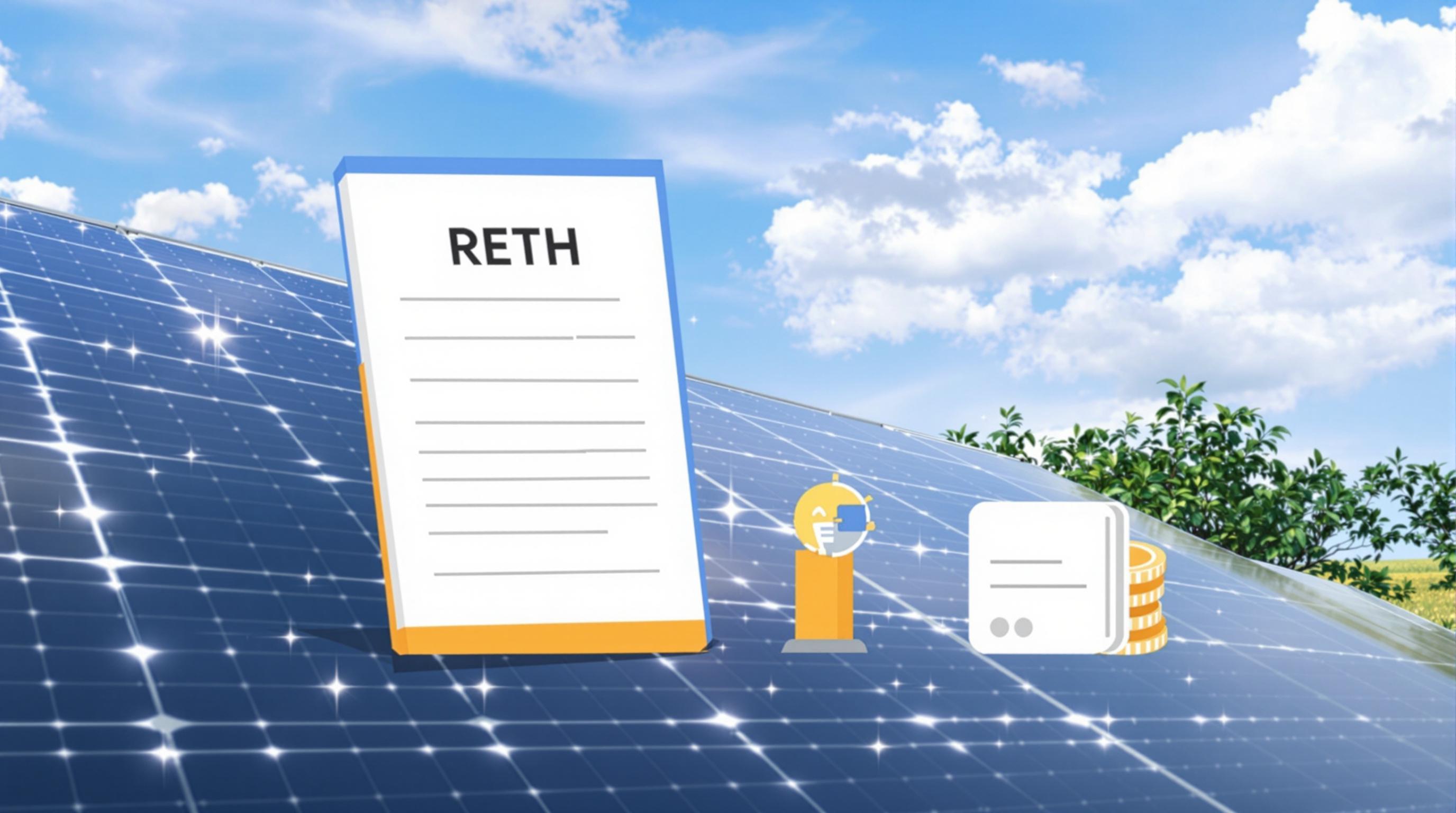
8 Innovative Financing Strategies That Could Revolutionize How You Manage Solar System Expenses in 2024
8 Innovative Financing Strategies That Could Revolutionize How You Manage Solar System Expenses in 2024
8 Innovative Financing Strategies That Could Revolutionize How You Manage Solar System Expenses in 2024
1. Solar Power Purchase Agreements (PPAs)
Solar Power Purchase Agreements (PPAs) allow homeowners and businesses to install solar panels with little to no upfront cost. Instead of buying the system outright, users agree to purchase the electricity generated at a predetermined rate, often lower than market prices.
This arrangement benefits consumers by lowering initial expenses and providing predictable energy costs. Providers handle installation and maintenance, making it a hassle-free option.
PPAs have grown in popularity because they reduce entry barriers to solar adoption, fostering cleaner energy use without demanding a large capital investment upfront (NRDC, 2023).
2. Solar Leasing
Solar leasing is similar to PPAs but typically involves paying a fixed monthly fee for the solar equipment. This means users essentially rent the solar system rather than purchasing the electricity it produces.
This strategy enables homeowners to enjoy lower energy bills and gain immediate access to renewable energy without owning the equipment. Lease companies often cover maintenance and repair costs.
Leasing programs appeal to those who want to avoid large upfront costs but still want to benefit from solar energy savings and sustainability goals (SEIA, 2024).
3. Solar Home Improvement Loans
Solar home improvement loans provide dedicated financing for solar installation through traditional lending institutions or specialized providers. These loans offer competitive rates and repayment terms tailored for renewable energy projects.
Borrowers can finance the entire system cost upfront, own their panels, and eventually see substantial savings on energy bills. Interest on some renewable energy loans may be tax-deductible depending on jurisdiction.
Local banks and credit unions increasingly offer attractive financing solutions specifically designed to promote sustainable home improvements, making this a viable option (DOE, 2023).
4. Property Assessed Clean Energy (PACE) Financing
PACE financing is a government-backed program enabling property owners to finance solar installations through their property tax bills. The loan is repaid over several years via an assessment on the property taxes.
This unique approach reduces upfront payments while tying the loan to the property, rather than the individual, which can be attractive for those planning to sell their home before loan maturity.
PACE programs have gained traction across multiple states and municipalities, offering an innovative way to finance clean energy improvements with lower risk for borrowers (EPA, 2024).
5. Community Solar Programs
Community solar lets individuals invest in or subscribe to a shared solar project located off-site. Participants receive credits on their electric bills equivalent to their share of the generated power.
This allows people unable to install solar panels on their own property—like renters or those with shaded roofs—to benefit from solar energy savings without huge capital outlays.
As of 2024, community solar programs have expanded significantly, driven by supportive legislation and consumer demand for affordable, accessible renewable energy options (SEIA, 2024).
6. Renewable Energy Tax Credits and Incentives
Tax credits and incentives remain powerful tools to reduce the net cost of solar systems. For example, the federal Investment Tax Credit (ITC) in the United States offers a percentage rebate on solar installation costs.
Besides federal programs, many states and local governments provide additional rebates, performance-based incentives, or sales tax exemptions, further lowering expenses.
Careful utilization of these financial incentives, combined with other financing strategies, can substantially improve the affordability and return on investment for solar adoption (DSIRE, 2024).
7. Solar Savings Accounts
Solar Savings Accounts are emerging as a flexible way to set aside funds for solar expenses through dedicated savings plans or digital wallets. These accounts may offer benefits like higher interest rates or partnerships with solar providers.
By making small, regular contributions, users accumulate capital over time to finance solar installations or upgrades, avoiding debt while promoting disciplined savings.
This approach appeals especially to budget-conscious consumers seeking gradual investment without complex loan terms and interest obligations (Financial Times, 2024).
8. Blockchain-Based Peer-to-Peer Solar Financing
Blockchain technology is revolutionizing energy financing by enabling peer-to-peer (P2P) platforms where individuals can directly fund solar projects in exchange for returns.
These platforms increase transparency and reduce intermediaries, making solar investments more accessible and potentially more profitable for small investors.
Though still in an early stage, blockchain-based solar financing is expected to grow in 2024, offering a disruptive model that democratizes solar funding and accelerates renewable energy deployment (MIT Technology Review, 2024).
Conclusion
Innovative financing strategies are continuously transforming how consumers manage the costs of solar systems. From traditional loans and leases to cutting-edge blockchain platforms, 2024 offers multiple avenues for affordable solar adoption.
By leveraging these options thoughtfully, homeowners and businesses can overcome financial barriers, maximize incentives, and accelerate their shift to sustainable energy sources.
As technology and policy evolve, staying informed about the latest financing opportunities will be key to unlocking the full economic and environmental benefits of solar power.
Read More