Related Articles
- 6 Revolutionary Solar Panel Cleaning Robots Since 2019 Rated for Efficiency and Contractor Appeal
- How Unexpected Weather Patterns Are Shaping Homeowner Choices in Solar Installation Partnerships
- How Solar Inverter Noise Pollution Affects Urban Wildlife and What Manufacturers Are Overlooking
- How Solar Inverters Influence Home Resale Value and What Buyers Rarely Consider Before Purchase
- How Microclimates Secretly Shape Solar Energy Output in Unexpected Urban and Rural Landscapes
- The Quiet Role of Microclimates in Shaping Solar Harvesting Outcomes Beyond Conventional Efficiency Measures
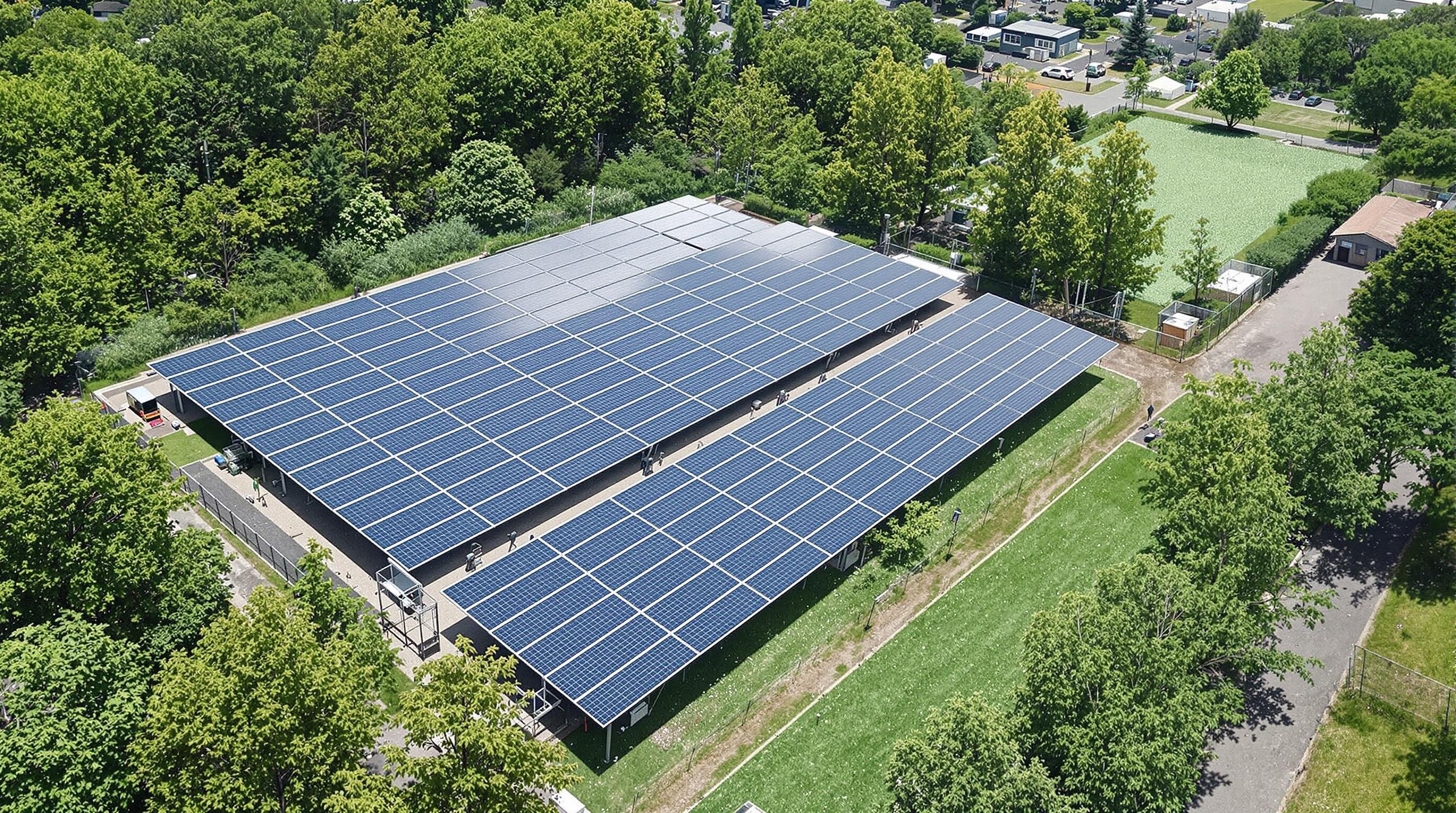
Top 8 Breakthrough Energy Storage Systems from the Last 5 Years Revolutionizing Your Utility Bills in 2024
Top 8 Breakthrough Energy Storage Systems from the Last 5 Years Revolutionizing Your Utility Bills in 2024
Top 8 Breakthrough Energy Storage Systems from the Last 5 Years Revolutionizing Your Utility Bills in 2024
1. Solid-State Batteries
Solid-state batteries have emerged as a transformative technology in energy storage over the past five years. Unlike traditional lithium-ion batteries that use liquid electrolytes, solid-state versions employ solid electrolytes. This shift significantly enhances safety, energy density, and longevity.
The increased energy density means homeowners can store more electricity from renewable sources such as solar panels, reducing reliance on the grid during peak hours. This, in turn, reflects directly on reduced utility bills and improved energy independence.
Many manufacturers are now integrating solid-state batteries into residential energy storage solutions. According to a 2023 report by the U.S. Department of Energy, these batteries could improve household energy storage efficiency by over 40% by the year 2025, making them a promising option for the future.
2. Vanadium Redox Flow Batteries
Vanadium redox flow batteries (VRFB) are gaining traction due to their scalability and long cycle life. Unlike conventional batteries, VRFBs store energy in electrolyte solutions housed in external tanks, allowing for easy expansion.
This technology allows homeowners to customize the size of their storage systems to match consumption needs accurately. Moreover, the electrolyte can be reused indefinitely, leading to reduced waste and lower long-term costs.
Utility companies are also adopting VRFBs for grid-level storage, which benefits residential customers by enhancing grid stability and potentially lowering electricity rates. Research from the National Renewable Energy Laboratory (NREL) highlights VRFBs' potential to support renewable integration and decentralization.
3. Lithium Iron Phosphate (LFP) Batteries
Lithium iron phosphate batteries have become a preferred choice for home energy storage due to their safety profile and cost-effectiveness. Unlike traditional lithium-ion batteries, LFP cells exhibit less risk of thermal runaway, making them safer for indoor use.
Their longevity is also notable, with many LFP batteries lasting over 4,000 charge cycles. This durability translates into long-term savings for homeowners who rely on battery storage to reduce peak electricity consumption and improve backup power availability.
Companies like Tesla and LG Chem have popularized LFP batteries in their residential products, and market trends indicate a significant increase in adoption due to falling costs and improved performance documented by BloombergNEF in 2024.
4. Sodium-Ion Batteries
Sodium-ion batteries have recently emerged as a promising alternative to lithium-based systems. Utilizing more abundant sodium instead of lithium reduces material costs and supply chain concerns, which is a critical factor in the volatile battery market.
While still in the early stages of commercialization, recent advances in cathode and anode materials have improved sodium-ion performance, including energy density and cycle life. This advancement makes them suitable for residential energy storage systems.
According to a 2023 MIT study, sodium-ion batteries could become a cost-competitive option within the next few years, enabling broader access to affordable energy storage, directly translating into utility bill savings for consumers adopting renewable energy.
5. Zinc-Air Batteries
Zinc-air batteries offer a novel approach by utilizing oxygen from the air as a cathode reactant, greatly reducing the weight and material use compared to traditional batteries. They provide high energy density and are environmentally friendly given zinc’s abundance and recyclability.
Their unique design allows for extended storage periods without significant capacity loss, ideal for homeowners aiming to maximize solar energy usage during off-peak hours. Additionally, zinc-air batteries are inherently safer due to non-flammable components, allowing for safer residential installations.
Recent enhancements in rechargeability and cycle life, as reported by researchers at Stanford University in 2022, have positioned zinc-air batteries as a competitive technology in the realm of home energy storage systems.
6. Thermal Energy Storage Systems
Thermal energy storage (TES) systems store energy in the form of heat or cold, which can later be converted back to electrical energy or used for heating and cooling directly. This method offers an alternative approach to conventional battery storage, especially for managing energy loads efficiently.
By integrating TES with home HVAC systems or solar thermal collectors, homeowners can substantially reduce their reliance on the electrical grid during peak periods. This integration leads to reduced utility bills and a lowered carbon footprint.
Advancements in phase-change materials and insulated storage tanks over recent years have improved the efficiency and affordability of TES systems, with companies like Calmac demonstrating successful deployments in 2023 across residential and commercial buildings.
7. Hydrogen Energy Storage
Hydrogen energy storage is increasingly viewed as a compelling long-term solution for renewable energy storage. Using excess renewable electricity to produce hydrogen via electrolysis allows for storing energy over extended periods without degradation.
For residential applications, hydrogen can be used in fuel cells to generate electricity on demand or combined with natural gas systems to lower emissions. This versatility enables homeowners to leverage clean energy while maintaining reliability and affordability.
Though hydrogen systems currently require significant upfront investments, pilot projects funded by the Department of Energy indicate improving cost competitiveness and efficiency, heralding opportunities for household adoption within the next decade.
8. Advanced Supercapacitors
Supercapacitors have traditionally been limited by their lower energy density compared to batteries, but recent breakthroughs have greatly enhanced their capacity and efficiency. These advances allow supercapacitors to rapidly store and release energy, ideal for smoothing out power fluctuations.
In residential energy systems, supercapacitors can complement batteries by handling transient load demands and increasing overall system responsiveness. This synergy reduces stress on battery packs and extends their lifespan, indirectly saving homeowners money.
Innovations in graphene-based supercapacitors reported by the University of Manchester in 2023 forecast a promising future for these devices in home energy storage solutions, especially when paired with solar PV installations.
Read More