Related Articles
- 6 Revolutionary Solar Panel Cleaning Robots Since 2019 Rated for Efficiency and Contractor Appeal
- How Unexpected Weather Patterns Are Shaping Homeowner Choices in Solar Installation Partnerships
- How Solar Inverter Noise Pollution Affects Urban Wildlife and What Manufacturers Are Overlooking
- How Solar Inverters Influence Home Resale Value and What Buyers Rarely Consider Before Purchase
- How Microclimates Secretly Shape Solar Energy Output in Unexpected Urban and Rural Landscapes
- The Quiet Role of Microclimates in Shaping Solar Harvesting Outcomes Beyond Conventional Efficiency Measures
The Unexpected Role of Local Wildlife in Raising the True Expense of Solar Panel Maintenance
The Unexpected Role of Local Wildlife in Raising the True Expense of Solar Panel Maintenance
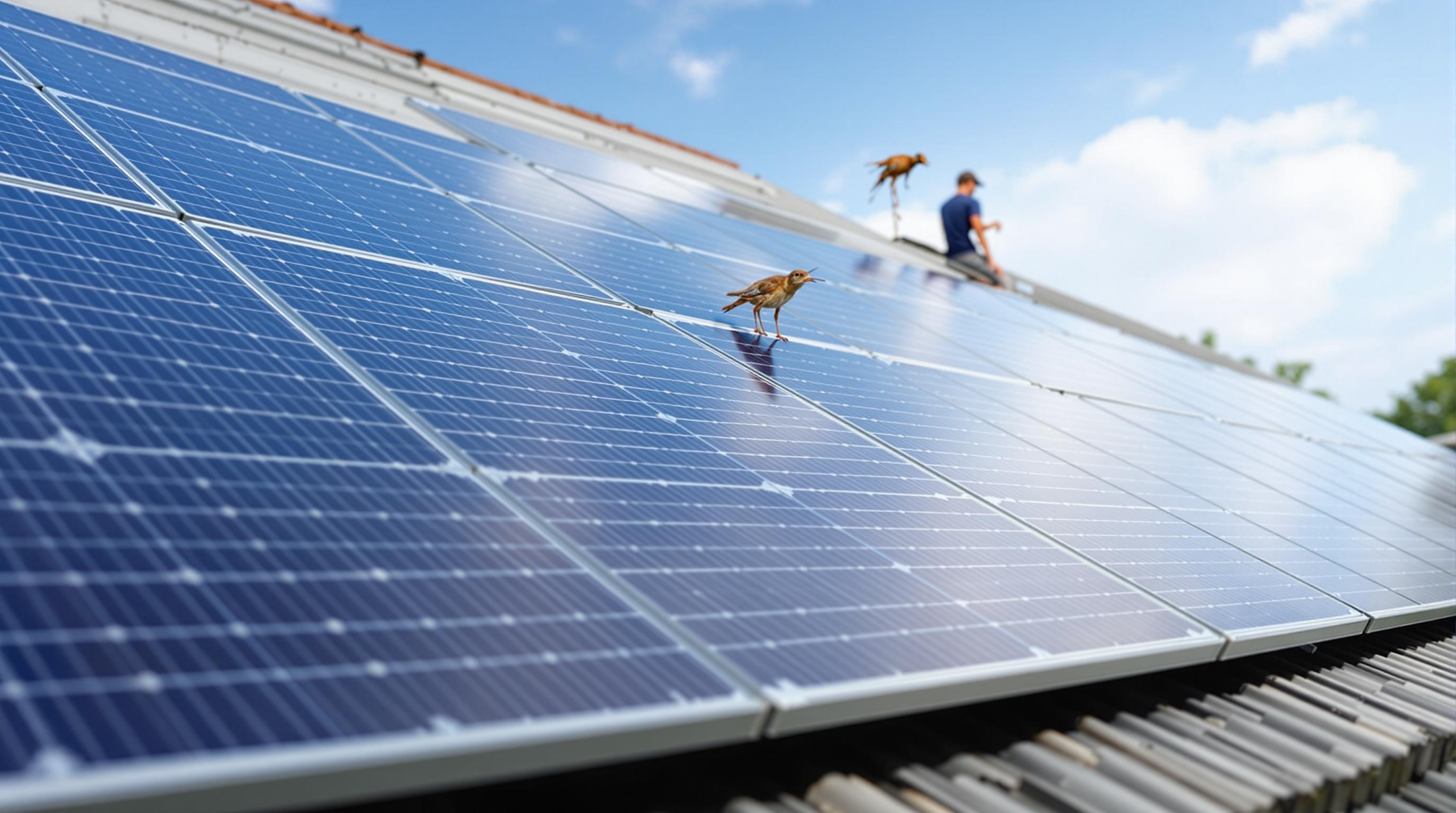
Local wildlife poses an unexpected and significant challenge to the maintenance costs of solar panels, often driving expenses higher than anticipated. From nesting birds to curious rodents, nature subtly undermines the efficiency and durability of solar energy systems.
When Feather Meets Photovoltaic: Birds as Unseen Saboteurs
In many rural settings, birds have become the unlikely nemeses of solar panel owners. Their habit of nesting beneath and around solar arrays can lead to blocks in wiring, accumulation of droppings, and potential fire hazards. A study from the University of California revealed that in some regions, bird-related maintenance issues caused a 12% increase in operational costs for solar farms compared to those in urban areas.
Take for example a case in New Mexico, where a large solar installation had to carry out monthly cleanings and repairs due to persistent damage caused by hawks nesting near the arrays. The installation manager noted that the “unexpected presence of these birds led to repair bills that exceeded initial estimates by 30% within the first year.”
Rodents Love Solar, Too: Chewing Costs Away
While birds can be messy, rodents such as squirrels and rats have taken a more destructive approach to their interaction with solar panels. Electrical wiring and insulating materials get chewed, causing outages and expensive repairs. According to a 2022 survey by the National Renewable Energy Laboratory, rodent damage accounted for nearly $15 million in maintenance costs over three years across U.S. solar farms.
The Casual Observer’s Perspective
Imagine visiting a solar farm on a sunny afternoon; you'd expect a serene, efficient array soaking up sunlight. But hidden within the calm, little wild creatures are busily gnawing away at cables or building nests under panels — a reality many casual observers overlook until a sudden breakdown occurs.
I remember speaking with a local technician named Mike, who chuckled as he described squirrels treating solar panels like their personal jungle gyms. "They climb, they chew, and they sometimes even seem to enjoy the warmth beneath the glass," he said, shaking his head. This seemingly humorous animal behavior generates very real and costly consequences.
The Cost Spiral: From Damage to Downtime
Damage caused by wildlife doesn’t just lead to part replacements; it often causes significant downtime. This naturally affects energy output and can disrupt local grids, particularly in regions heavily reliant on solar power. In the Australian outback, one solar facility reported a 10% decrease in annual energy generation due to frequent wildlife-related interruptions. This disruption occasionally required emergency maintenance crew deployments, which pushed costs even higher.
Mitigation Strategies: Balancing Nature and Technology
To combat these issues, engineers and ecologists have been collaborating to design wildlife-friendly barriers and deterrents aimed at protecting solar arrays without harming the animals. For instance, low-impact nettings, specialized wiring conduits, and ultrasonic rodent repellents are increasingly common in newer installations.
A noteworthy example is a pilot project in Spain where solar farms integrated artificial nests to lure birds away from hazardous areas, reducing maintenance incidents by over 40% after just one year.
A Humorous Outlook: Wildlife, The Unofficial Solar Panel Inspectors
Watching animals interact with solar panels often brings comedic relief, as if the creatures play the role of unwanted yet unwitting inspectors. I once overheard a maintenance crew joke that the local raccoons were “quality control specialists” making sure the panels weren’t too boring. The irony, of course, is that their antics lead to headaches for the crew but provide endless stories for those involved.
Statistics That Shock: Wildlife’s Cumulative Impact on Solar Maintenance
Surprisingly, wildlife-related maintenance issues can contribute to as much as 20% of the total operational expenditures in solar facilities located in biodiverse regions according to Solar Energy Industries Association (SEIA) reports from 2023. This figures as a huge component of the "hidden" costs not often discussed when solar projects are publicly promoted as “low maintenance.”
Persuasive Thought: Investing in Wildlife-Conscious Design Saves Money
For investors and policymakers focused on sustainable energy, it becomes crucial to account for these wildlife factors when budgeting solar projects. Early investment in protective measures and habitat-aware planning not only reduces costly repairs but also aligns renewable energy practices with conservation ethics.
Ignoring the subtle but persistent impacts of local fauna risks turning green technology into a maintenance nightmare, counteracting the environmental benefits it aims to provide.
Storytelling: A Day in the Life of a Solar Panel Technician
Meet Laura, a 45-year-old solar panel technician who has worked in the industry for over a decade. She recalls one blistering summer when a family of ground squirrels decided to settle underneath a remote solar installation. "We noticed some panels were underperforming," she explained. After inspection, the team found chewed cables and nesting materials blocking ventilation. It took two weeks of around-the-clock repairs and $12,000 in parts alone to get things up and running again. "You get used to pretty much everything, but nature always has surprises," Laura said with a sigh.
Conclusion: Nature’s Quiet Influence on Renewable Energy Costs
While solar energy remains a promising avenue toward sustainable power, the silent interference of local wildlife injects a complex variable into the maintenance lifecycle of solar arrays. Embracing this dynamic through smarter engineering and ecological sensitivity offers a path to minimize unforeseen expenses and improve the longevity of solar installations. In the end, the relationship between technology and nature is not purely adversarial but one that demands respect and careful management.
Read More