Related Articles
- 6 Revolutionary Solar Panel Cleaning Robots Since 2019 Rated for Efficiency and Contractor Appeal
- How Unexpected Weather Patterns Are Shaping Homeowner Choices in Solar Installation Partnerships
- How Solar Inverter Noise Pollution Affects Urban Wildlife and What Manufacturers Are Overlooking
- How Solar Inverters Influence Home Resale Value and What Buyers Rarely Consider Before Purchase
- How Microclimates Secretly Shape Solar Energy Output in Unexpected Urban and Rural Landscapes
- The Quiet Role of Microclimates in Shaping Solar Harvesting Outcomes Beyond Conventional Efficiency Measures
6 Strategic Maintenance Tips to Slash Long-Term Solar Ownership Costs You Rarely Hear About
6 Strategic Maintenance Tips to Slash Long-Term Solar Ownership Costs You Rarely Hear About
6 Strategic Maintenance Tips to Slash Long-Term Solar Ownership Costs You Rarely Hear About
1. Adopt Proactive Panel Cleaning Schedules
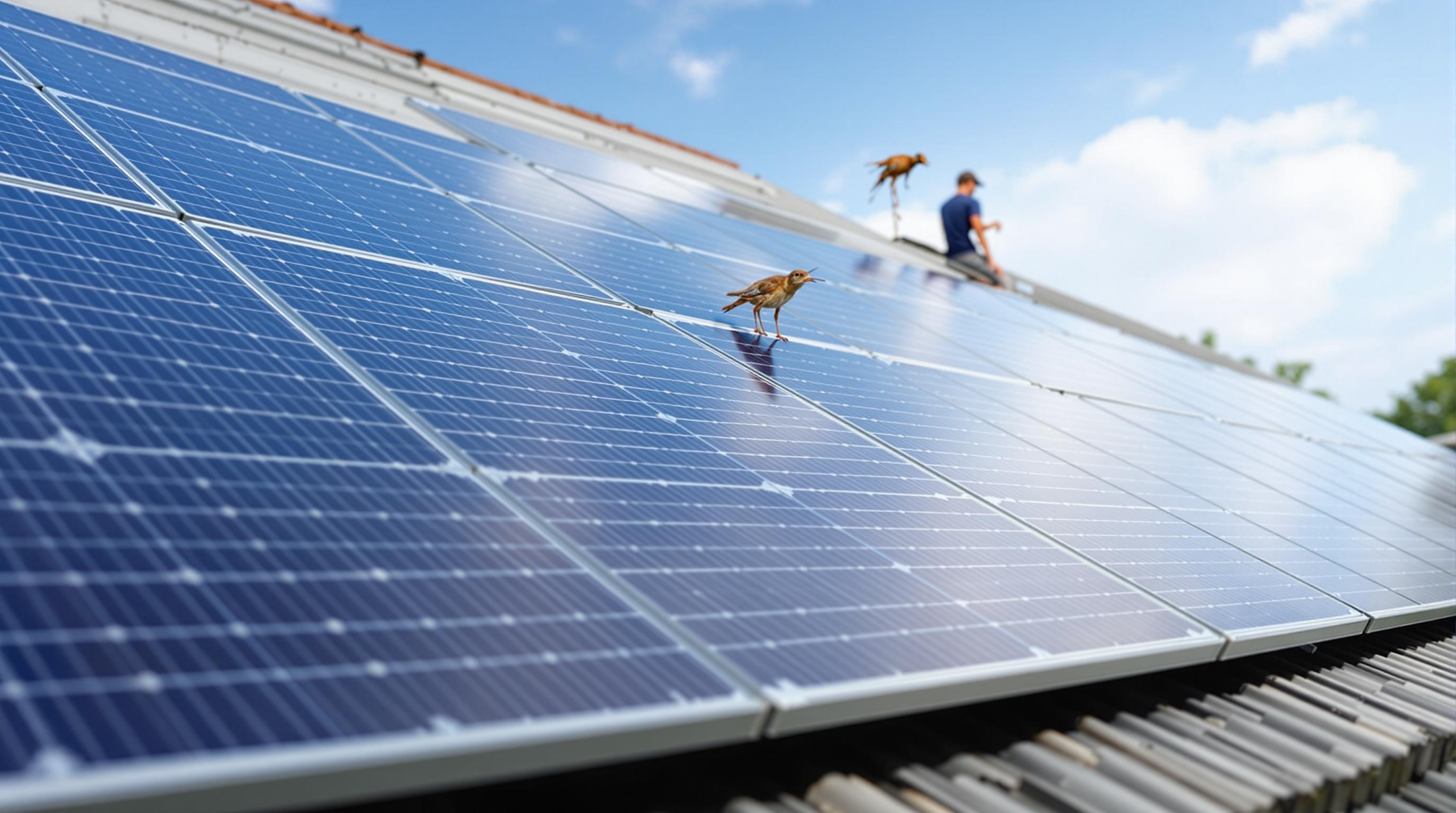
Solar panels are exposed to dust, bird droppings, and environmental grime that reduce their efficiency. While occasional cleaning is common advice, setting up a proactive and regular cleaning schedule tailored to your local environment can save substantial costs in the long run by optimizing energy output.
For example, panels in arid or dusty regions require more frequent cleaning compared to those in rain-rich areas. Neglecting this leads to incremental losses in power generation, effectively increasing your electricity costs over time.
Investing in either soft brushes or automated cleaning systems, such as low-water robotic cleaners, can reduce labor expenses and avoid damage to solar cells, thereby lengthening the system’s lifespan.
2. Perform Seasonal System Performance Audits
Most owners rely on monthly monitoring but overlook the benefits of comprehensive seasonal audits. These audits analyze system output against expected benchmarks considering weather, sun angle, and shading changes.
By comparing seasonal data, owners can detect subtle degradations or failures within panels, inverters, or wiring that may not trigger immediate alarms but impact long-term efficiency. Early detection prevents small problems from escalating into costly repairs.
Engaging professional technicians or using advanced monitoring software enhances audit accuracy, supporting informed maintenance decisions that minimize unexpected outlays over the system lifetime.
3. Upgrade to Smart Inverters and Monitoring Systems
Traditional inverters convert DC to AC electricity but lack detailed diagnostic capabilities. Modern smart inverters provide real-time data on system health, allowing prompt identification of issues such as inverter malfunction or shading effects.
Smart monitoring systems integrated with mobile apps notify owners instantly, enabling faster response times that reduce downtime and potential performance losses. These systems also support predictive maintenance by analyzing trends.
Though upgrading requires upfront investment, the long-term savings from optimized performance and reduced emergency repairs yield better financial returns.
4. Ensure Optimal Vegetation Management
Unexpected shading from growing trees or encroaching vegetation reduces solar panel productivity. Many owners fail to regularly inspect and trim surrounding foliage, leading to inefficiencies that compromise power output.
Creating a vegetation management plan that includes quarterly inspections and timely pruning promotes unimpeded sunlight exposure. This routine forestalls shading issues that can severely degrade energy generation and accelerate equipment wear.
Coordinating this maintenance with local landscape services or homeowner associations often reduces costs and ensures compliance with community standards.
5. Schedule Annual Electrical System Inspections
Solar installations consist of complex electrical components, including wiring, connectors, breakers, and grounding systems. Over time, exposure to weather may cause corrosion, fraying, or loose connections, which are largely invisible to the naked eye.
Annual inspections by certified electricians can uncover potential hazards and inefficiencies that, if left unattended, could result in system failures or inefficiencies that are expensive to repair. This preventative strategy preserves system integrity and operational safety.
Documentation of these inspections also supports warranty claims and insurance protection, safeguarding your investment.
6. Implement Energy Storage Maintenance Beyond Installation
Energy storage systems (ESS) like batteries enhance solar system flexibility but often require ongoing maintenance that owners underestimate. Proper temperature regulation, state-of-charge management, and firmware updates are critical to prolonging battery lifespan.
Ignoring storage upkeep can decrease battery capacity prematurely, forcing expensive replacements and diminishing overall solar benefits. Monitoring charge cycles and controlling depth of discharge can dramatically affect battery health.
Partnering with specialized energy storage service providers or utilizing smart battery management systems ensures your ESS operates at peak efficiency while minimizing lifecycle costs.
Read More