Related Articles
- 6 Revolutionary Solar Panel Cleaning Robots Since 2019 Rated for Efficiency and Contractor Appeal
- How Unexpected Weather Patterns Are Shaping Homeowner Choices in Solar Installation Partnerships
- How Solar Inverter Noise Pollution Affects Urban Wildlife and What Manufacturers Are Overlooking
- How Solar Inverters Influence Home Resale Value and What Buyers Rarely Consider Before Purchase
- How Microclimates Secretly Shape Solar Energy Output in Unexpected Urban and Rural Landscapes
- The Quiet Role of Microclimates in Shaping Solar Harvesting Outcomes Beyond Conventional Efficiency Measures
5 Hidden Factors That Could Dramatically Alter Your Solar Cost Estimates
5 Hidden Factors That Could Dramatically Alter Your Solar Cost Estimates
5 Hidden Factors That Could Dramatically Alter Your Solar Cost Estimates
When considering the investment in solar energy, many homeowners focus primarily on the upfront equipment and installation costs. However, several less obvious factors can significantly influence the overall cost and savings associated with a solar power system. Understanding these hidden elements can help you create a more accurate budget and maximize the long-term benefits of going solar.
1. Shading and Roof Orientation
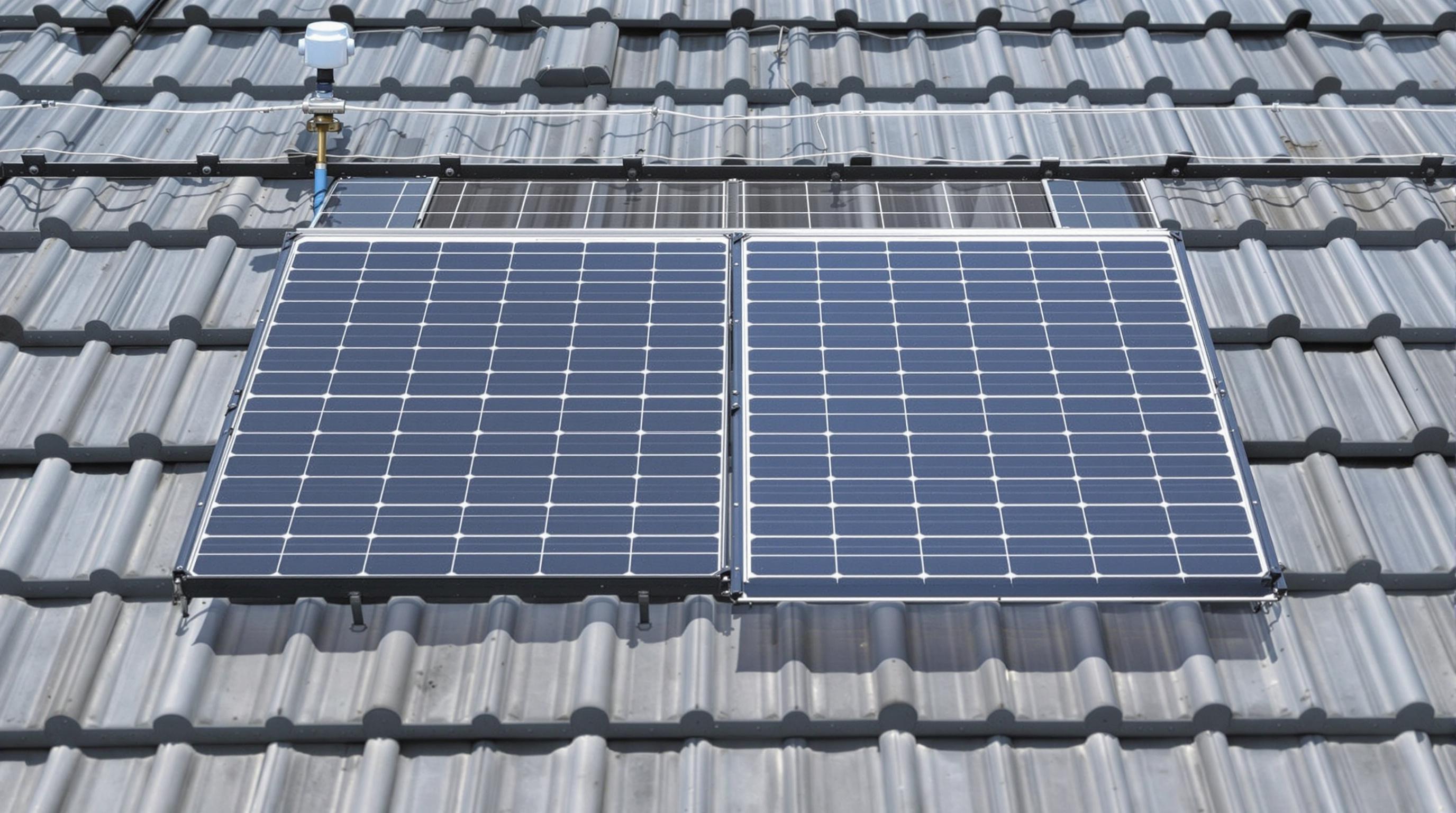
One critical but often overlooked factor impacting solar cost estimates is the shading around your home and the orientation of your roof. Trees, neighboring buildings, or other obstructions can reduce the amount of sunlight your panels receive, thereby decreasing their efficiency. This may require installing additional panels to meet your energy needs, raising your total system cost.
Additionally, roofs facing directions other than south (in the northern hemisphere) generally receive less direct sunlight. East- or west-facing roofs, for example, may produce less energy, necessitating a larger system size or specialized panel placement to compensate. This can add complexity and expense to installation.
Proper site assessment, often done through a professional solar evaluation or using tools like Solar Pathfinder, can help identify shading issues early. Taking these factors into account helps prevent unexpected costs and ensures accurate production estimates (Energy.gov).
2. Local Permitting and Inspection Fees
The cost of permits and inspections can vary widely from one locality to another but is frequently underestimated in solar cost quotes. Some cities or counties require multiple permits for solar installation, each with associated fees that add up quickly.
Beyond just fees, the permitting process can also influence your timeline. Delays or additional inspection requirements can extend installation time, potentially increasing labor costs. Also, certain jurisdictions might impose stricter regulations on solar installations, affecting design choices and materials used.
It’s advisable to research local requirements or consult with installers who are familiar with the area regulations to incorporate these expenses into your budget accurately (DSIRE - Database of State Incentives for Renewables & Efficiency).
3. Quality and Brand of Solar Components
Not all solar panels and inverters are created equal. The brand reputation, warranty length, and efficiency ratings can cause significant variation in price. Higher-quality components might have higher upfront costs but typically offer better performance, durability, and savings over time.
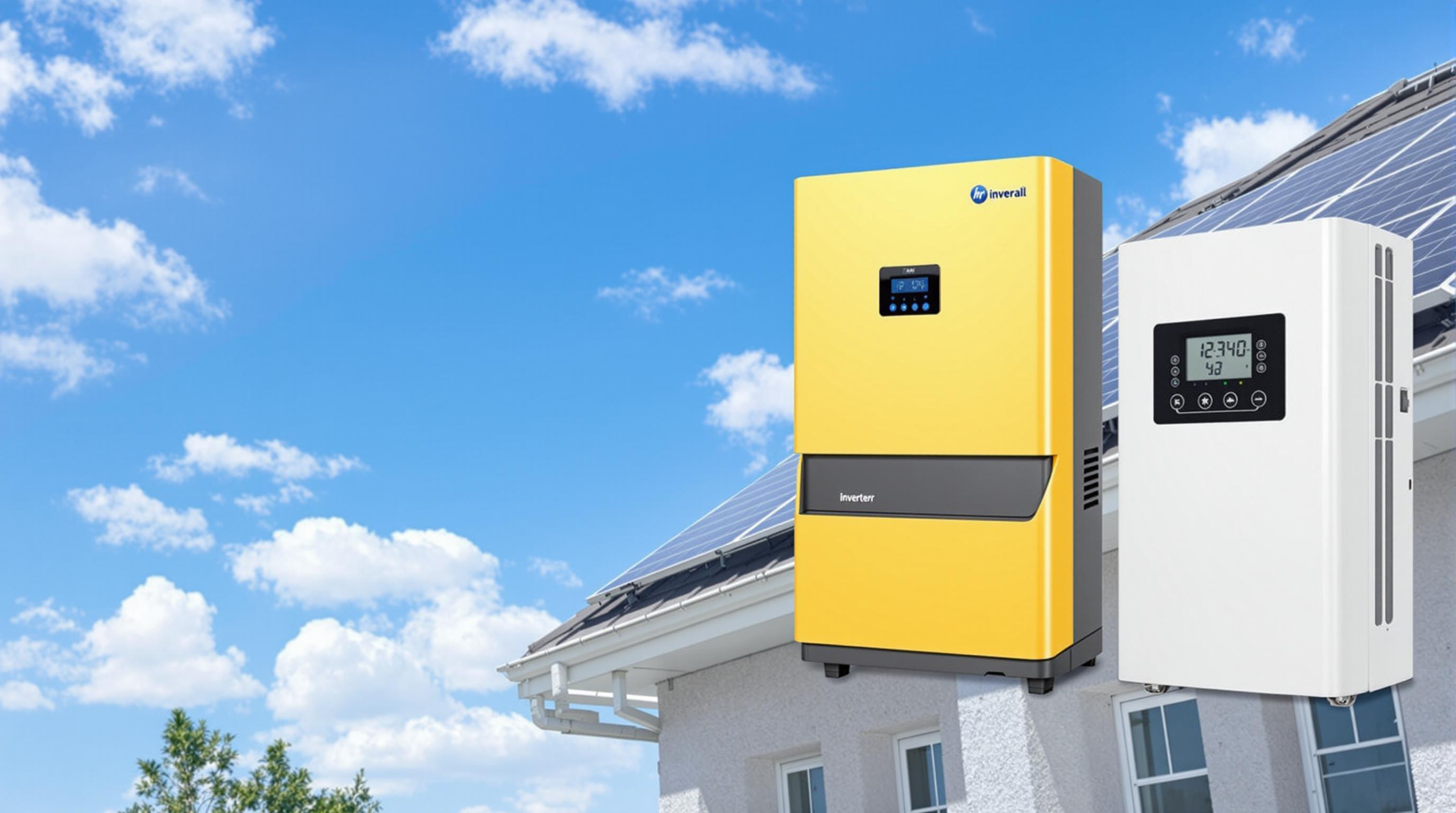
Cheaper panels might reduce initial costs but could depreciate faster or be less efficient, necessitating larger arrays. Similarly, the choice of inverter technology — such as microinverters or string inverters — influences system cost and energy yield.
Choosing quality equipment backed by strong warranties ensures better returns on investment and might reduce maintenance expenses, which are often overlooked in cost estimates (Solar Energy Industries Association).
4. Available Tax Credits and Incentives
Federal, state, and local incentives can substantially decrease the net cost of a solar installation. The federal Investment Tax Credit (ITC), for instance, provides a generous credit that can cover a significant portion of system costs. However, not all installers or consumers factor in these properly.
State-specific rebates, performance-based incentives, and tax exemptions or sales tax waivers can also influence final pricing. Sometimes, incentives come with certain eligibility criteria or expiration dates, adding complexity to cost calculations.
It’s crucial to stay updated on incentive programs through databases like DSIRE and speak with professionals who can help you claim these benefits to avoid overestimating your solar expenses.
5. System Size Versus Actual Energy Usage
Estimating the right solar system size requires a detailed understanding of your household energy consumption patterns. Overestimating your energy needs can lead to purchasing more panels than necessary, dramatically increasing costs without corresponding savings.
Seasonal changes, future home expansion plans, and appliance upgrades can all alter your energy use. Some homeowners underestimate the system size needed, leading to insufficient energy production and reduced return on investment.
Analyzing energy bills and using solar assessment tools to align system size with actual energy requirements ensures you pay for the right amount of equipment, optimizing cost-effectiveness over the system’s lifetime (National Renewable Energy Laboratory).
6. Installation Complexity and Labor Costs
The physical characteristics of your home can have a decisive influence on installation complexity and labor costs. For example, steep roofs, multiple roof levels, or unusual angles may require specialized mounting equipment and extend installation time.
Difficulty accessing the roof or limited parking and storage space for installation crews can further increase labor expenses. Additionally, extreme weather conditions can cause scheduling delays that raise overall costs.
Understanding your roof’s specific requirements and discussing potential challenges with your installer beforehand can help you anticipate these hidden labor cost variables.
7. Financing Options and Interest Rates
Many homeowners finance their solar installations through loans or leases. The terms of these financing options — particularly interest rates and loan duration — significantly affect the total cost you pay over time.
Low-interest loans or zero-down leases can make solar more affordable upfront but might include higher cumulative payments. In contrast, outright purchases avoid interest but require more capital initially.
Comparing different financing structures and reading the fine print can prevent unexpected long-term costs and help you select the most economical path to solar ownership (Consumer Financial Protection Bureau).
8. Maintenance and Repair Costs
Although solar panels generally require minimal maintenance, occasional cleaning, inverter replacements, or system repairs can incur additional expenses. These ongoing costs are frequently omitted from initial cost estimates.
Dust, leaves, or bird droppings can reduce panel efficiency, necessitating periodic cleaning. Electrical components like inverters might fail after 10-15 years and need replacement.
Budgeting for these maintenance costs helps prevent surprises and keeps your system running efficiently over its lifespan, contributing to overall cost-effectiveness (Energy.gov).
9. Energy Storage Requirements
If you opt to include battery storage to store excess solar energy, the cost estimate changes dramatically. Batteries can increase initial installation expenses by thousands of dollars but offer benefits such as backup power and greater energy independence.
The size, brand, and technology of the energy storage system determine the price. Additionally, integrating batteries can complicate the installation process, potentially increasing labor costs.
Carefully evaluating whether storage fits your lifestyle and budget is essential. For some, the added cost provides valuable benefits; for others, grid-tied systems without batteries suffice.
10. Future Utility Rate Changes
Your expected solar savings are closely tied to current utility rates and policies, which can fluctuate over time. An increase in electricity prices can improve the financial benefits of solar, while rate reductions or changes to net metering policies can diminish returns.
Utilities sometimes modify how they value and compensate solar power, impacting your overall savings. This unpredictability makes it difficult to calculate exact future benefits from solar energy.
Monitoring utility policies and choosing flexible or scalable solar solutions can help mitigate risks associated with future rate changes, improving the accuracy of cost-benefit projections (U.S. Department of Energy).
Read More