Related Articles
- 6 Revolutionary Solar Panel Cleaning Robots Since 2019 Rated for Efficiency and Contractor Appeal
- How Unexpected Weather Patterns Are Shaping Homeowner Choices in Solar Installation Partnerships
- How Solar Inverter Noise Pollution Affects Urban Wildlife and What Manufacturers Are Overlooking
- How Solar Inverters Influence Home Resale Value and What Buyers Rarely Consider Before Purchase
- How Microclimates Secretly Shape Solar Energy Output in Unexpected Urban and Rural Landscapes
- The Quiet Role of Microclimates in Shaping Solar Harvesting Outcomes Beyond Conventional Efficiency Measures
How Rooftop Shadow Patterns Unexpectedly Influence Your Solar Investment Returns
How Rooftop Shadow Patterns Unexpectedly Influence Your Solar Investment Returns
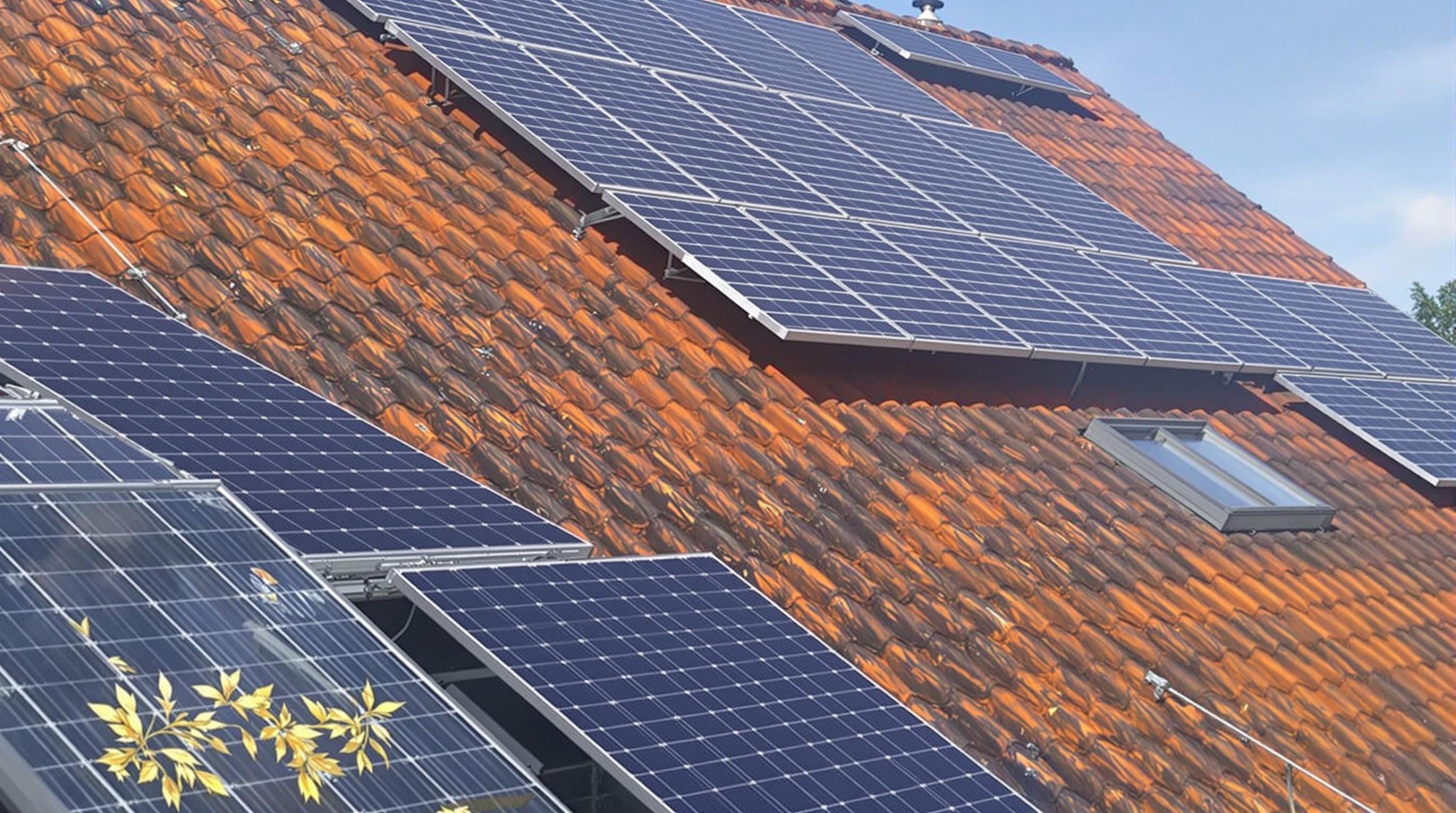
Rooftop shadow patterns can significantly affect your solar panel's efficiency and thus your solar investment returns, although this factor often goes unnoticed during installation. Understanding how shadows dance across your roof throughout the day and seasons reveals hidden complexities that can dramatically shift your energy savings.
A Young Engineer’s Tale: Learning Solar’s Shadowy Secrets
When I was 24, bright-eyed and eager, I installed solar panels on my urban townhouse. I imagined instant savings and clean energy bliss. What I didn’t anticipate was the pesky impact of shadows from a nearby tree that gobbled up nearly 15% of my system's output each day. Only after monitoring my inverter’s data closely did I realize: those seemingly harmless branches could undercut my investment's returns far more than the panel wattage or brand.
The Science Behind Shadow Patterns
Solar panels generate electricity by converting sunlight into energy—easy, right? But when shadows fall on even a small part of a panel, they can reduce the power output disproportionately. Partial shading causes an effect called the "hot-spot," which not only decreases energy yield but can also damage cells over time. Studies show that just 10% shadow coverage can lead to losses upwards of 20-30% in output (NREL, 2020).
An Experimental Case Study: New York City Rooftops
Researchers at Columbia University conducted a two-year observational study measuring shadow impact on solar arrays across varied NYC rooftops. They discovered that seasonal shadow length variation caused a decrease in annual energy production between 12-24%. For homeowners and investors, this translated to substantial changes in the financial payback period—sometimes extending it by up to two years longer than estimated.
Conversation Corner: What Your Rooftop Neighbors Might Say
Max: “I thought solar was a no-brainer for saving money and the planet.”
Jill: “Yeah, but since my neighbor’s new tall fence went up, parts of my panels don’t get sunlight until noon. It’s messing with my bills!”
Max: “I guess even a rooftop isn’t just about panels—location and surroundings matter!”
How Shadows Shape Your Return on Investment
Imagine you invest $15,000 in a solar setup expecting to trim your annual energy cost by $1,200. If unanticipated shadows cause a 20% drop in efficiency, your savings shrink to $960 yearly. This 240-dollar difference might seem small each year but compounds significantly over the system’s 25-year lifespan. Effectively assessing shadow patterns before installation can protect you against disappointing returns.
Seasonal Shifting Shadows: A Hidden Challenge
Unlike fixed structures, shadows vary as the sun's position changes with seasons. In winter, longer shadows from chimneys, antennas, and trees might cover panels for hours; in summer, the same shadows shorten drastically. Understanding these cycles requires tools like sun path diagrams or software simulation to map out how your rooftop’s shadow landscape changes. This helps design placement strategies to maximize sunlight exposure throughout the year.
Humor Break: Solar Panels and the Shadow Dance
Solar panels might just be the most patient rooftop tenants ever. Day in, day out, they soak up the sun, only to endure cat-like shadows creeping up on them—sometimes playing peek-a-boo, sometimes stealing the spotlight entirely. Maybe someday they’ll get tired of these shadow shamers and demand their own personal sun lamps.
Technology to Counter Shadow Problems
Thanks to recent advancements, technologies like microinverters and power optimizers allow each solar panel to operate independently, mitigating losses caused by localized shading. Instead of one shaded panel dragging down the whole string, these devices keep the unaffected panels churning full power. Although they increase upfront costs, the enhanced performance and higher returns often justify the investment.
Shadow Mapping Tools: A Must for Smart Investors
Before committing to solar, it’s crucial to use shadow mapping apps or professional site assessments. Some smartphone apps harness augmented reality to simulate mid-day and sunset shadow effects on your roof. Professional installers often use drone surveys combined with software modeling to calculate shadow impacts precisely, ensuring optimal panel layouts and preventing nasty surprises post-installation.
Statistical Insight
A survey by Solar Energy Industries Association (SEIA, 2022) indicated that over 30% of residential solar users experienced lower returns than projected, with unexpected shading noted as a leading cause. Investors who factored in shadow analysis before installation reported up to 15% better energy output consistency.
Creative Strategies: Beyond Panels, Toward Shadow Management
Mitigating shadow effects isn’t solely about panel tech. Pruning or relocating trees, adjusting rooftop structures, or choosing alternative installation angles can significantly boost sunlight capture. Some innovative homeowners install reflective surfaces nearby to redirect sunlight onto shaded panels, resembling nature’s own solar panels enhancer.
Formal Economic Perspective: The Cost of Ignoring Shadows
Ignoring shadow effects on solar investments can lead to underperformance, depreciation in asset value, and unreliable payback periods. Financial models for photovoltaic systems increasingly incorporate shadow loss parameters to better inform stakeholders. From an economic standpoint, this reduces risk and aligns expectations, crucial for lenders and insurers backing solar projects.
Casual Talk: Is That Shadow Gonna Bite My Savings?
Look, if you’re thinking of slapping panels up without peeping at your rooftop’s shadow party, you might end up biting your wallet. Shadows are sneaky, creeping over your precious solar gains like the uninvited guests at a backyard BBQ. Better bring them to light before they dim your sunny dreams.
Final Thoughts: Light, Shadows, and Your Solar Journey
At the end of the day, maximizing your solar investment is as much about understanding light as it is about technology and economics. Shadows, though often overlooked, play a starring role in the solar performance narrative. Strategic planning, accurate shadow modeling, and innovative tech adoption empower you to outsmart those rooftop silhouettes and enjoy brighter financial returns.
About the Author: I’m Laura, 38, a sustainable energy enthusiast and writer fascinated by the interplay between environment, tech, and investments. My goal is to help readers of all ages make informed, clever choices about solar energy and beyond.
Read More