Related Articles
- 6 Revolutionary Solar Panel Cleaning Robots Since 2019 Rated for Efficiency and Contractor Appeal
- How Unexpected Weather Patterns Are Shaping Homeowner Choices in Solar Installation Partnerships
- How Solar Inverter Noise Pollution Affects Urban Wildlife and What Manufacturers Are Overlooking
- How Solar Inverters Influence Home Resale Value and What Buyers Rarely Consider Before Purchase
- How Microclimates Secretly Shape Solar Energy Output in Unexpected Urban and Rural Landscapes
- The Quiet Role of Microclimates in Shaping Solar Harvesting Outcomes Beyond Conventional Efficiency Measures
8 Essential Legal and Safety Checks Before Your DIY Solar Installation Journey
8 Essential Legal and Safety Checks Before Your DIY Solar Installation Journey
8 Essential Legal and Safety Checks Before Your DIY Solar Installation Journey
1. Verify Local Building Codes and Permits
Understanding building codes: Before you begin your solar installation, it is crucial to familiarize yourself with local building codes. These codes determine the minimum standards for construction to ensure safety and compliance within your community. Failure to adhere to these requirements can result in fines or necessitate costly modifications.
Permit requirements: Most jurisdictions require permits for solar installations. These permits verify that your installation meets safety standards and regulations. Contact your local building department or municipal office to learn about specific application processes and required documentation.
Planning ahead: Obtaining the necessary permits can take time. Securing them before purchasing materials or beginning installation will help avoid project delays and legal complications. Always keep copies of permits in case of future inspections or property sales.
2. Check Homeowners Association (HOA) Rules
HOA guidelines: If your property falls under a Homeowners Association, review their rules regarding solar panel installations. Some associations have restrictions on panel placement, aesthetics, or require approval prior to installation.
Requesting approval: Submit your planned installation details for HOA approval if needed. This might include diagrams, panel specifications, and timelines. Gaining approval early prevents disputes or forced removal later.
Balancing compliance and sustainability: Understanding and respecting HOA requirements allows you to benefit from solar energy while maintaining neighborhood standards and harmony.
3. Conduct a Structural Assessment of Your Roof
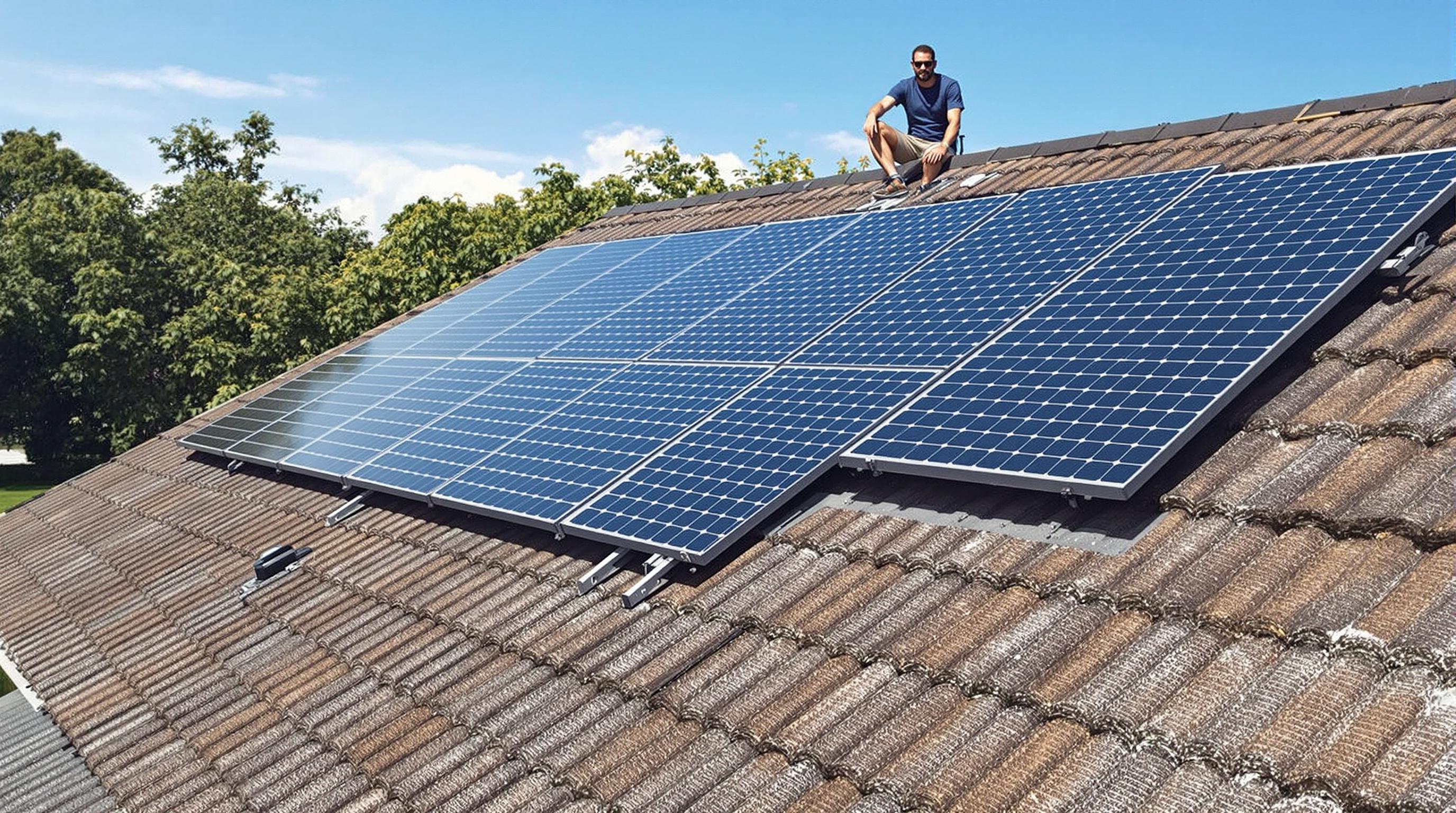
Roof condition inspection: Ensure your roof is in good condition before installing solar panels. Inspect for aging materials, leaks, or damages that may compromise structural integrity under the additional weight.
Load-bearing capacity: Verify that your roof can support solar panels and associated equipment. Consult a qualified structural engineer if uncertain to avoid potential safety hazards or damage.
Timing repairs: It is often best to repair or replace roofing materials prior to installation to reduce costs and complications in the future.
4. Familiarize Yourself with Electrical Codes
National Electrical Code (NEC): In the United States, solar electrical systems must comply with the NEC for safety. This includes wiring methods, grounding, and equipment labeling.
Local amendments: Localities may adopt additional or stricter electrical requirements. Contact your local electrical authority or building department for specifics.
Professional consultation: If you lack electrical experience, consider consulting a licensed electrician to ensure your design meets all safety standards.
5. Understand Utility Company Interconnection Rules
Grid connection: If you plan to connect your solar system to the utility grid, you must follow your utility provider’s interconnection requirements. This ensures safe energy transfer and compliance.
Net metering policies: Many utilities offer net metering, allowing you to receive credit for excess electricity generated. Familiarize yourself with eligibility and application processes.
Application procedures: Submit necessary interconnection applications well ahead of installation. Some utilities require inspections or system certifications before granting permission.
6. Prioritize Personal Safety Practices
Use appropriate safety equipment: Work with insulating gloves, safety glasses, and sturdy footwear to protect against electrical hazards and falls during installation.
Safe ladder usage: Ensure ladders are stable and positioned on level ground. Avoid working alone when on your roof to reduce risks.
Training and preparation: Review manufacturer safety instructions and consider taking a solar installation safety course. Being informed reduces accidents.
7. Inspect Solar Equipment Certification and Warranty
Certification standards: Purchase solar panels and components certified to meet safety and performance standards such as UL (Underwriters Laboratories) or IEC (International Electrotechnical Commission).
Warranty coverage: Verify product warranty terms, including length and coverage details. Reliable warranties protect your investment and ensure component longevity.
Authorized suppliers: Use reputable vendors to avoid counterfeit or substandard equipment that could jeopardize safety and system performance.
8. Prepare for Emergency Shutoff Procedures
Shutoff knowledge: Understand how to quickly disconnect your solar system in the event of an emergency. This is essential for your safety and for first responders.
Labeling: Clearly label all shutoff switches and breaker panels. This assists emergency personnel in identifying power sources during incidents such as fires.
Emergency planning: Include solar system shutdown steps in your overall home emergency plan and inform household members accordingly.