Related Articles
- 6 Revolutionary Solar Panel Cleaning Robots Since 2019 Rated for Efficiency and Contractor Appeal
- How Unexpected Weather Patterns Are Shaping Homeowner Choices in Solar Installation Partnerships
- How Solar Inverter Noise Pollution Affects Urban Wildlife and What Manufacturers Are Overlooking
- How Solar Inverters Influence Home Resale Value and What Buyers Rarely Consider Before Purchase
- How Microclimates Secretly Shape Solar Energy Output in Unexpected Urban and Rural Landscapes
- The Quiet Role of Microclimates in Shaping Solar Harvesting Outcomes Beyond Conventional Efficiency Measures
Top 6 Next-Gen Solar Inverters Revolutionizing Home Energy with Smart Incentives and Tax Savings
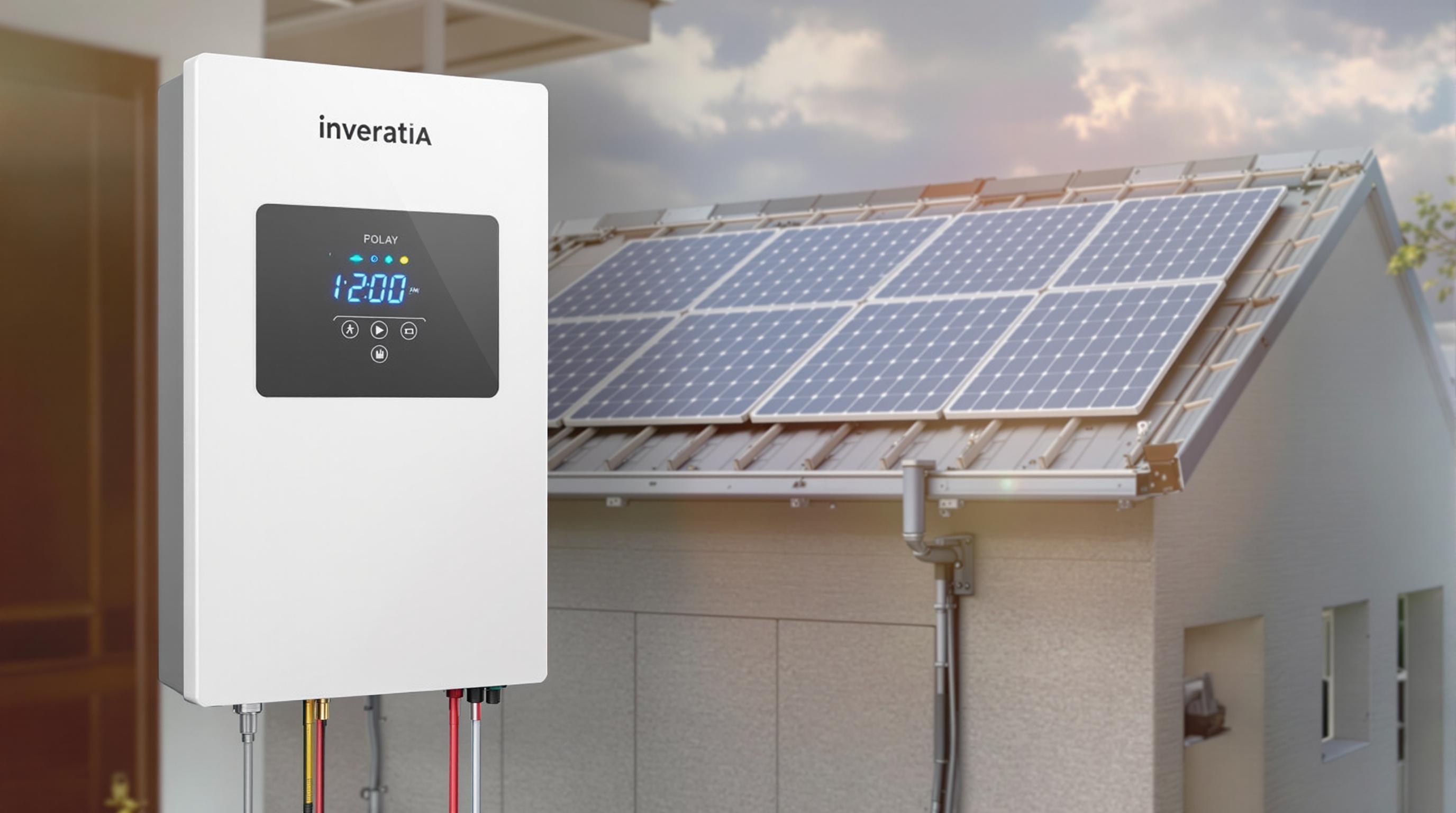
Top 6 Next-Gen Solar Inverters Revolutionizing Home Energy with Smart Incentives and Tax Savings
Next-gen solar inverters are transforming home energy management with smarter technology, enhanced efficiency, and valuable tax incentives. This article explores six leading inverters, their features, and how homeowners can maximize savings and sustainability.
Stepping into the Future: The Rise of Smart Solar Inverters
As a 45-year-old energy enthusiast, I’ve seen the solar game evolve rapidly. Traditional inverters were simple converters, but today’s models are mini-computers that optimize your energy use in real time. They not only feed your home with renewable energy but also help shave utility bills and even return money to you through grid feedback programs.
The Power Behind the Panel: What Makes Next-Gen Inverters Different?
At their core, these inverters convert DC power from solar panels into the AC power used at home. But modern devices add smart meters, Wi-Fi connectivity, and advanced safety features. According to the Solar Energy Industries Association, homes with smart inverters report up to 20% increased energy output simply because the inverter adjusts to shading, temperature, or grid demands.
1. Enphase IQ8: The Microinverter Marvel
Enphase IQ8 is a microinverter, meaning it is attached to each solar panel rather than having one centralized unit. This technology means if one panel underperforms due to dirt or shade, only that panel’s output drops while others operate at peak efficiency.
Case Study: A family in Arizona reported a 15% yearly increase in solar yield after replacing their traditional inverter with IQ8 microinverters, boosting their savings beyond anticipated tax credits.
IQ8 also features black start capability — the ability to power your home during a blackout even without grid power. This is a game-changer for those in areas with frequent outages or hurricanes.
2. SolarEdge HD-Wave: Efficiency at Its Peak
SolarEdge uses power optimizers combined with a centralized inverter to deliver maximum energy harvest panel by panel. Its HD-Wave technology achieves over 99% efficiency — a milestone, especially as most inverters hover around 96-98% efficiency.
Pair this with the Federal Investment Tax Credit (ITC) 26%, and homeowners quickly recover a chunk of installation costs. Plus, many states add their own incentives for SolarEdge systems, multiplying savings.
How Tax Incentives and Smart Rebates Drive Adoption
One of the biggest reasons households are upgrading to next-gen inverters is the burgeoning ecosystem of tax incentives and rebates. Besides the ITC, localized incentive programs like California’s Self-Generation Incentive Program (SGIP) offer cash rebates for smart energy tech.
Incentives reduce upfront costs, making cutting-edge inverter tech accessible—even for middle-income families. And as utility companies pivot to smarter grids, they often offer additional feed-in tariffs for surplus power sent back to the grid, effectively turning your rooftop into a mini power plant.
3. Fronius Primo: Austrian Precision and Reliability
Fronius’s Primo series is favored for its reliability and user-friendly interface. Its built-in Wi-Fi and smartphone app integration allow homeowners to monitor real-time energy production and consumption.
Example: A homeowner in Oregon found that Fronius’s excellent remote diagnostics reduced downtime dramatically. The system alerted them to minor issues before they became costly repairs.
Humor Break: Solar Inverters Are the Unsung Heroes
Imagine your solar panels sunbathing all day then handing off power to a cranky old inverter that barely functions when you need it most. Next-gen inverters are like those friends who show up early to a party, bring the snacks, and keep the energy high all night.
4. SMA Sunny Boy: The Veteran with Modern Twists
SMA has decades of experience, and the Sunny Boy family combines that heritage with state-of-the-art features. Its OptiTrac Peak Performance tracks the sun’s position precisely, squeezing out every available watt.
Compatibility with battery storage also allows for energy independence. Battery-ready inverters mean energy can be stored during peak sun and used at night, reducing grid reliance and saving money.
5. Huawei SUN2000: The Tech Giant’s Solar Entry
Huawei, known for telecom, brings AI-powered solar inverters with smart curve optimization and fault diagnostics. Their SUN2000 series can connect dozens of panels, perfect for larger home systems or small community solar projects.
Reportedly, Huawei’s software reduces maintenance time by up to 30%, helping both installers and homeowners keep performance optimal.
6. Growatt MIN Series: Affordable Innovation
For homeowners on a budget, Growatt offers competitive pricing without sacrificing tech. The MIN Series includes OLED displays, smart monitoring, and efficient MPPT (Maximum Power Point Tracking).
It’s especially popular in emerging markets and among first-time solar adopters looking to balance cost with future-ready features.
Storytime: From Skeptic to Solar Advocate
Emma, a 32-year-old teacher, lived in a cloudy city and doubted solar’s worth. After installing a SolarEdge system with smart incentives, her annual electric bill fell 60%. The system handled intermittent sunlight gracefully, and she even earned credits selling excess power back to the grid. That experience turned her into a vocal supporter of clean energy and tax programs.
Crunching the Numbers: Financial Impact
Consider a typical 6 kW system with a $15,000 sticker price. With the 26% ITC, that comes down by nearly $4,000 immediately. Add state rebates ($1,000-$2,000) plus utility payments for exported energy, and homeowners could cut the net cost by more than half.
Smart inverter technology amplifies this by maximizing energy production, reducing maintenance, and enabling battery use that cuts grid dependency.
Conclusion
Next-generation solar inverters are redefining home energy by blending efficiency, intelligence, and financial incentives. Whether it’s the modular brilliance of Enphase IQ8 or the AI of Huawei SUN2000, these devices make clean energy practical and profitable.
For any homeowner considering solar, understanding these technologies and the available incentives is paramount. Investing smartly today means lower bills, higher energy independence, and a greener tomorrow.
Sources:
Solar Energy Industries Association, SEIA.org
U.S. Department of Energy, Energy.gov
California Public Utilities Commission, cpuC.ca.gov
Fronius USA Customer Testimonials
Huawei Renewable Energy Reports 2023
Read More