Related Articles
- 6 Revolutionary Solar Panel Cleaning Robots Since 2019 Rated for Efficiency and Contractor Appeal
- How Unexpected Weather Patterns Are Shaping Homeowner Choices in Solar Installation Partnerships
- How Solar Inverter Noise Pollution Affects Urban Wildlife and What Manufacturers Are Overlooking
- How Solar Inverters Influence Home Resale Value and What Buyers Rarely Consider Before Purchase
- How Microclimates Secretly Shape Solar Energy Output in Unexpected Urban and Rural Landscapes
- The Quiet Role of Microclimates in Shaping Solar Harvesting Outcomes Beyond Conventional Efficiency Measures
Unveiling the Silent Impacts of Solar Inverters on Grid Stability and Wildlife in Rural Communities
Unveiling the Silent Impacts of Solar Inverters on Grid Stability and Wildlife in Rural Communities
Solar inverters, while central to renewable energy systems, subtly influence both rural grid stability and local wildlife in ways rarely discussed. This article explores these overlooked impacts, weaving data, stories, and insights to illuminate challenges and potential solutions.
The Gentle Hum Behind the Power: Understanding Solar Inverters
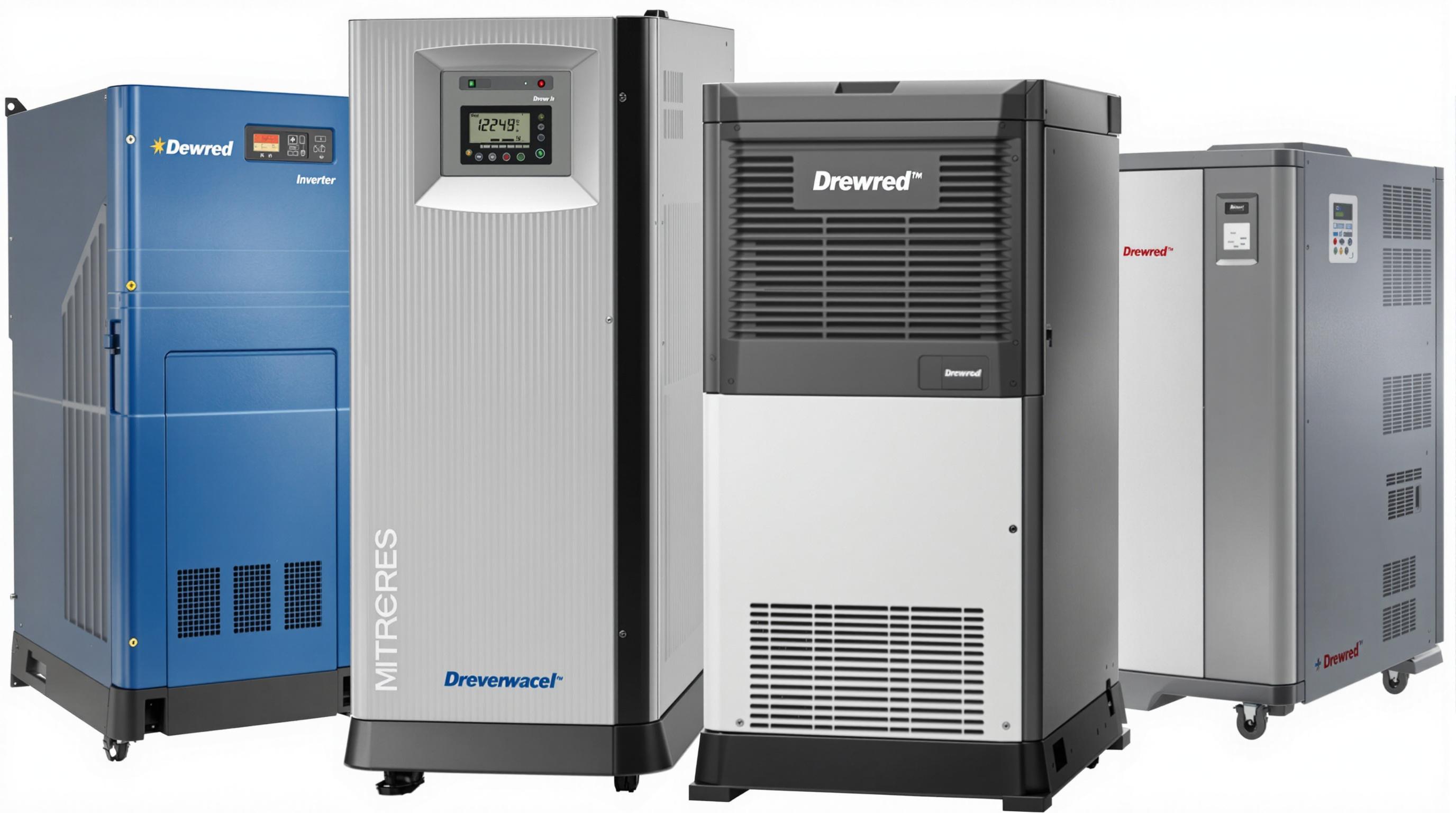
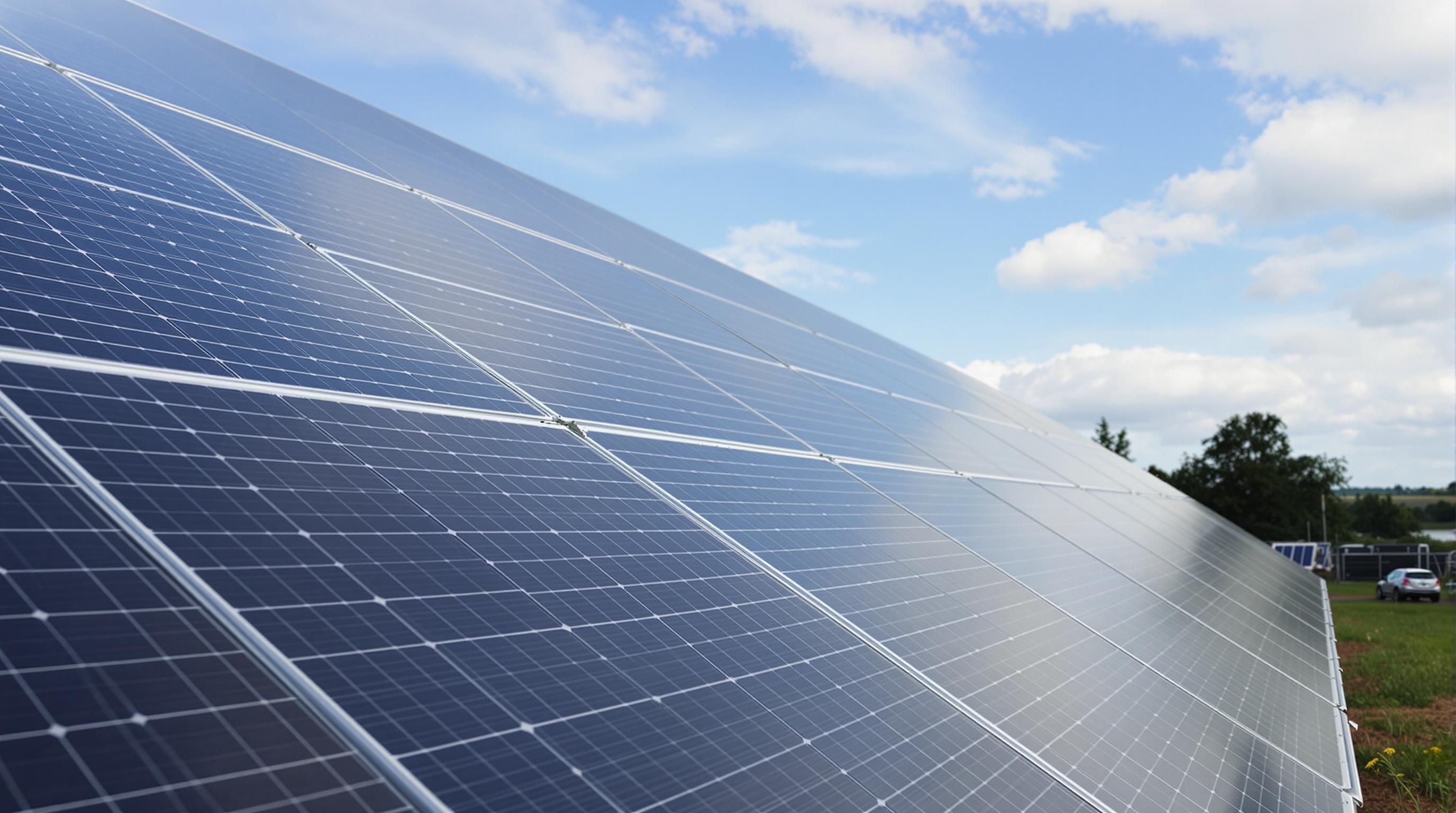
Imagine a peaceful countryside cutting-edge solar plant quietly humming. That hum comes from solar inverters, the unsung heroes converting DC power from solar panels into AC power for homes and businesses. These devices are pivotal, yet their continuous operation raises questions about effects on rural power grids and the fauna nearby.
Why Grid Stability Isn’t Just About Power Supply
Most folks assume if there’s enough electricity, the grid is fine. But solar inverters can introduce subtle fluctuations called harmonics and voltage flickers, which, over time, stress electrical infrastructure. A 2019 study by the National Renewable Energy Laboratory (NREL) revealed that grids with over 20% solar penetration could face up to a 15% increase in voltage variability — a concern for rural grids often designed for steady, predictable loads.
Case Study: A Tale from Wyoming’s Ranchlands
In a small Wyoming town, ranchers near a new solar farm noticed unexplained flickering lights and occasional outages. Investigations traced the cause to solar inverter harmonics interfering with their older grid system. The community worked with the utility to install advanced inverter controls, which reduced disturbances by 40%, illustrating the fixable nature of these issues.
Shining a Light on Wildlife: The Unseen Victims
Solar installations are green triumphs, but their inverters emit low-frequency electromagnetic fields (EMFs) and generate heat. These factors can disrupt the behaviors of sensitive wildlife species—especially nocturnal animals like bats and owls.
Research from the University of Exeter (2022) showed a decline in bat activity by 12% around inverter stations, likely due to disturbance from EMF emissions. Given that many rural communities rely on local biodiversity for agriculture health and eco-tourism, these effects ripple beyond wildlife.
Balancing Progress with Preservation
As an enthusiastic 28-year-old environmental sciences graduate tapping away from my sunlit desk, I find this intersection fascinating. Solar energy represents progress, yet it's a delicate dance ensuring technology harmonizes with nature and infrastructure alike.
Strategies for Mitigating Inverter Impacts
Innovations like smart inverters, which actively manage voltage and reduce harmonics, offer pathways forward. Countries like Germany mandate these technologies in rural grids, successfully lowering grid disturbances by 30% according to Fraunhofer ISE’s 2021 review.
Meanwhile, wildlife-friendly designs include placing inverter units away from critical habitats and using EMF shielding materials—small steps with big benefits.
Personal Story: Living Near the Grid
My aunt, living in a quiet farming community in Oregon, noticed birds' decreased presence after a local solar farm became operational. By advocating for environmental impact assessments, her community ensured the installation of quieter, low-EMF inverters and vegetative buffers that gradually restored local bird populations.
The Future, Powered Responsibly
Understanding the silent impacts of solar inverters invites a broader conversation about sustainable energy. It’s not just about producing clean electricity but doing so in ways that uphold rural community resilience and ecological balance.
Policy Implications and Community Engagement
Embedding inverter impact assessments into energy planning is critical. Policymakers should incorporate rural grids’ unique needs, ensuring technical upgrades match community pace. Plus, engaging locals in planning increases acceptance and identification of unforeseen issues.
Data Spotlight
According to the International Renewable Energy Agency (IRENA), globally installed inverter capacity in solar PV systems tripled from 2015 to 2023—underlining urgency for comprehensive impact management.
A Bit of Humor: The Inverter Whisperer?
Ever thought of inventing a “Solar Inverter Whisperer” role? Someone charming inverters to behave peacefully while juggling the demands of the grid and chirping critters. Okay, maybe that’s a fanciful job title, but emphasizing harmony reflects the challenge perfectly!
Closing Thoughts
Solar inverters are vital yet complex players in the renewable energy ecosystem. By highlighting their nuanced effects on grid stability and rural wildlife, this article hopes to spark curiosity, caution, and creativity in managing sustainable energy futures.