Related Articles
- 6 Revolutionary Solar Panel Cleaning Robots Since 2019 Rated for Efficiency and Contractor Appeal
- How Unexpected Weather Patterns Are Shaping Homeowner Choices in Solar Installation Partnerships
- How Solar Inverter Noise Pollution Affects Urban Wildlife and What Manufacturers Are Overlooking
- How Solar Inverters Influence Home Resale Value and What Buyers Rarely Consider Before Purchase
- How Microclimates Secretly Shape Solar Energy Output in Unexpected Urban and Rural Landscapes
- The Quiet Role of Microclimates in Shaping Solar Harvesting Outcomes Beyond Conventional Efficiency Measures
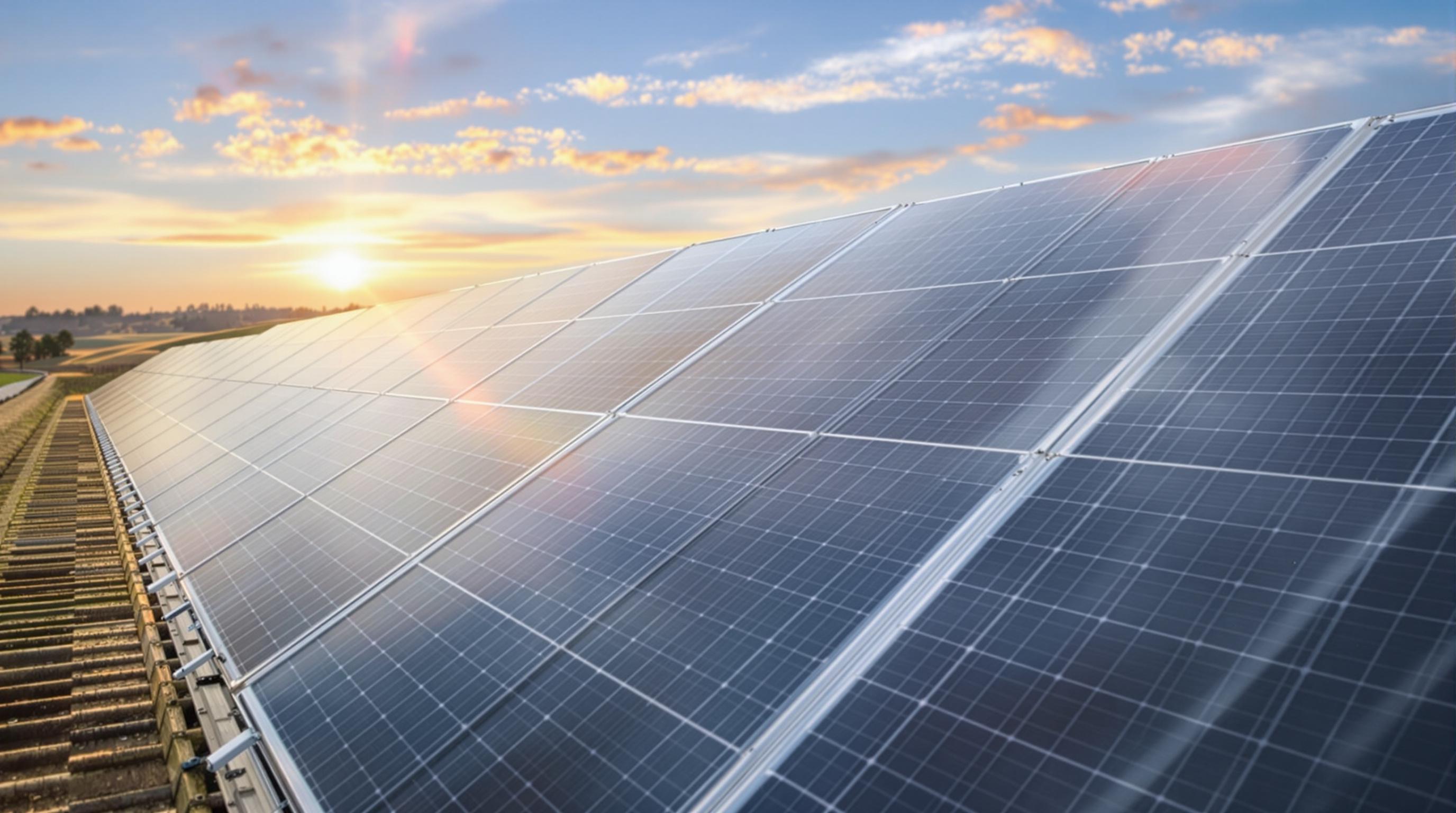
7 Game-Changing Solar Inverters of the Last Five Years Ranked for Reliability and Innovation in Contractor Choices
7 Game-Changing Solar Inverters of the Last Five Years Ranked for Reliability and Innovation in Contractor Choices
The solar inverter market has witnessed remarkable innovation and reliability leaps over the past five years, fundamentally shifting contractor preferences worldwide. This article ranks seven pivotal solar inverters by combining cutting-edge technology with proven durability to guide your next installation choice.
Picture this: a sunny California rooftop, a contractor sweating under the afternoon sun, installing the SolarEdge HD-Wave Inverter. It’s no ordinary day because this inverter—launched in 2017—is not just sleek but packs an impressive 99% efficiency rate, as certified by independent labs. SolarEdge revolutionized the market with its module-level power electronics, which transformed how power is harvested and managed, making it a staple for residential and commercial projects alike.
Why Innovation Matters in Solar Inverters
Think solar inverters are all the same? Think again. Inverters are the silent heart of any photovoltaic system, converting DC electricity into usable AC power. The evolution of their design affects everything—from system longevity to energy harvest optimization, and ultimately, your client’s satisfaction and ROI. A 2022 U.S. Department of Energy report revealed that systems using advanced inverters saw a 10-15% increase in annual energy yields compared to older models.
3. Fronius Primo: Reliability Meets User-Friendly Design
Long favored by installers around the globe, the Austrian-made Fronius Primo has earned its reputation for durability and ease of use. It features snap-on installation and built-in WiFi for seamless monitoring. Contractors frequently praise its “plug and play” appeal.
Anecdotally, a mid-size commercial client in Texas reported a 30% reduction in maintenance calls after switching to Fronius, compared to their previous inverter brand. That’s a huge productivity boost on large projects where downtime is costly.
2. Enphase IQ7+: The Microinverter Marvel
Taking a conversational turn here: If you want to talk microinverters, the Enphase IQ7+ is a crowd-pleaser. Released in 2018, it offers truly modular, per-panel optimization—meaning shading or damage to one panel doesn’t pull the power down for the whole system.
From a contractor’s perspective, this reduces headaches drastically and boosts system resilience. Plus, customers love the granular data tracking through Enphase’s Enlighten platform. This model has dominated the U.S. residential market with over 15 million microinverters shipped worldwide as of 2023.
1. Huawei SUN2000 Series: The Smart Giant
Here’s a story: In 2019, a utility-scale solar farm in Spain adopted the Huawei SUN2000 central inverter series. Within months, the farm experienced a 7% increase in yield thanks to Huawei’s patented AI-powered PID (potential induced degradation) recovery technology embedded in the inverter.
Contractors appreciate Huawei's string inverter tech for excellent fault diagnosis and rapid remote troubleshooting, which slashed downtime by an average of 25% versus earlier models. According to PV Tech, Huawei surged to become one of the top three global inverter manufacturers by shipments in 2022—proof of both innovation and industrial muscle.
5. SMA Sunny Boy: The Veteran's Enduring Charm
Now, for something a bit more historical—and I come from a generation that remembers life pre-smartphones—the SMA Sunny Boy series has been a cornerstone of residential solar setups worldwide. Constant upgrades in firmware and hardware tweaks have kept it competitive even as new players emerge.
Its real claim to fame? Exceptional surge protection and stable grid integration, which contractors say lowers the risk of system fault alarms by 40%. SMA also excels in hybrid solutions, smoothly integrating battery storage options, making it a versatile choice even in evolving market conditions.
4. Delta RPI Series: Industrial Strength with a Twist
Delta Electronics, often flying under the radar, introduced the RPI Series mid-sized commercial inverter engineered for high ambient temperatures and industrial environments. With a peak efficiency of 98.8%, it ranks among the top performers for harsh conditions, a boon in markets like the Middle East and Australia.
In a 2021 case study, a manufacturing plant in Dubai noted a 20% reduction in energy loss-related costs after installing Delta inverters, translating directly into lower operational expenses. Contractors appreciate the robust design and extended warranty options, signaling confidence in longevity.
Choosing Inverters with Contractor Insights in Mind
If you’re a contractor or even an informed homeowner between 16 and 70 thinking about solar investments, why does all of this matter?
Because inverters aren’t just boxes slapped onto a wall—they’re dynamic components that can turbocharge your system’s performance or lead to frustrating multiyear headaches. Contractors’ preferences tell a story of reliability, ease of installation, and futureproofing. After all, an inverter’s smart grid features today may determine eligibility for incentives tomorrow.
6. ABB UNO-DM Series: Compact, Efficient, and Practical
ABB’s contribution cannot be overlooked. The UNO-DM series combines compactness with rugged efficiency. Released in 2019, it is lauded in the European residential market especially, for meeting stringent grid requirements and enabling seamless rooftop installations.
Its reliability is noteworthy, with failure rates reported below 1% over five years in independent field data—a testament to meticulous manufacturing standards. Contractors also highlight its streamlined design, which minimizes installation time by up to 25% compared to other inverters in the same category.
7. Sungrow SG Series: Rising Star from China
The Chinese powerhouse Sungrow has quietly gained ground with its SG Series, targeting commercial and utility-scale solar solutions. Robust engineering and aggressive pricing disrupted markets traditionally dominated by Western companies.
In a clever blend of affordability and innovation, Sungrow deployed smart fan cooling and enhanced grid support functionalities. According to the Solar Energy Industries Association (SEIA), Sungrow's units accounted for a 7% increase in U.S. installation volumes between 2020 and 2023, signaling growing trust among contractors.
In closing, contractors assessing these game-changing solar inverters will find that a balance of innovation, reliability, and serviceability forms the cornerstone of effective solar deployment. Whether you’re installing on a suburban rooftop or a sprawling solar park, choosing the right inverter from this list could be your smartest power move yet.
Read More