Related Articles
- 6 Revolutionary Solar Panel Cleaning Robots Since 2019 Rated for Efficiency and Contractor Appeal
- How Unexpected Weather Patterns Are Shaping Homeowner Choices in Solar Installation Partnerships
- How Solar Inverter Noise Pollution Affects Urban Wildlife and What Manufacturers Are Overlooking
- How Solar Inverters Influence Home Resale Value and What Buyers Rarely Consider Before Purchase
- How Microclimates Secretly Shape Solar Energy Output in Unexpected Urban and Rural Landscapes
- The Quiet Role of Microclimates in Shaping Solar Harvesting Outcomes Beyond Conventional Efficiency Measures
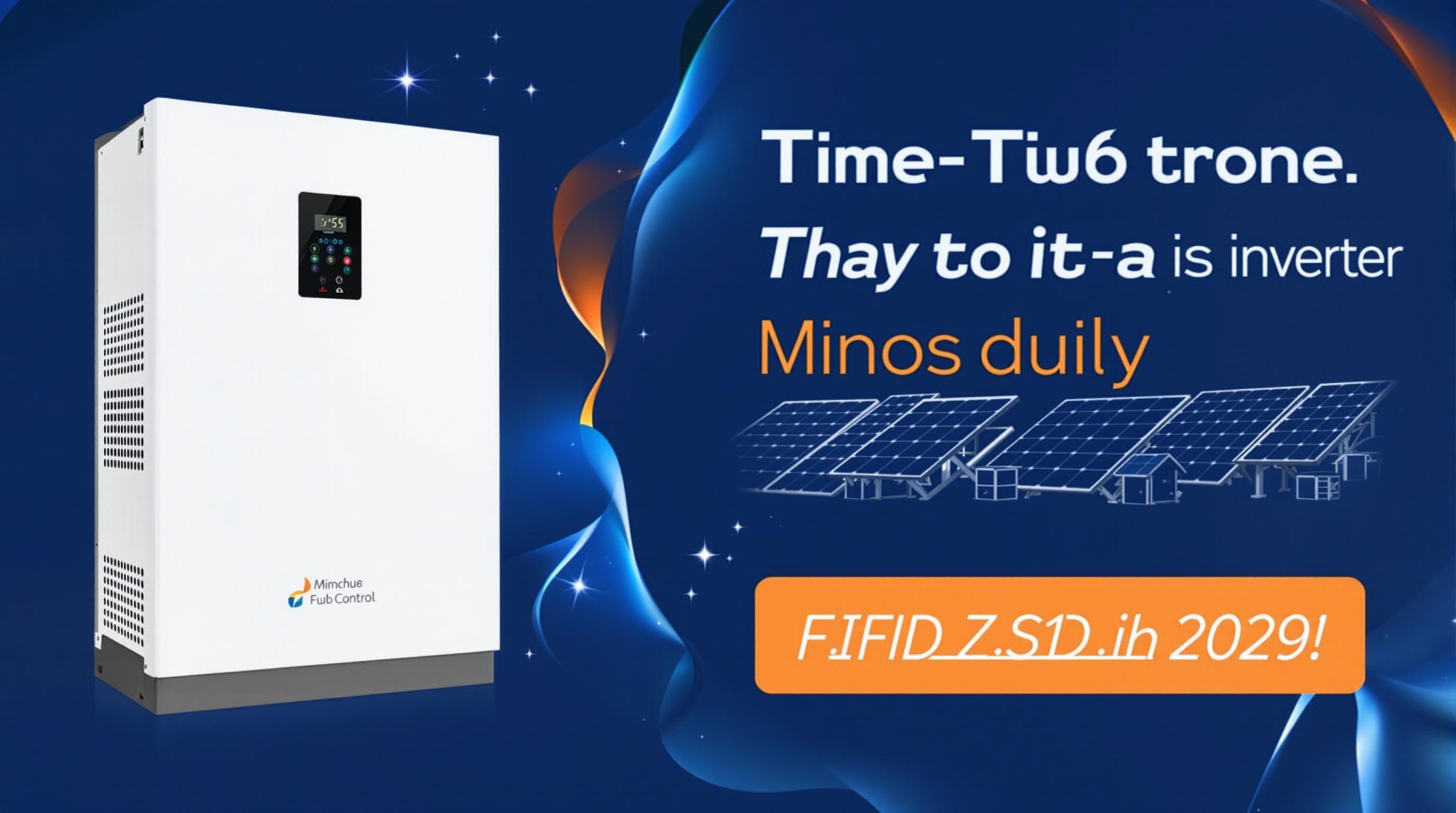
Top 7 Cutting-Edge Solar Inverter Systems Released Since 2019 for Optimal Home Energy Control
Top 7 Cutting-Edge Solar Inverter Systems Released Since 2019 for Optimal Home Energy Control
Top 7 Cutting-Edge Solar Inverter Systems Released Since 2019 for Optimal Home Energy Control
Introduction to Modern Solar Inverters
In recent years, the evolution of solar inverter technology has dramatically enhanced home energy management, making solar power systems more efficient and user-friendly. Since 2019, several innovative solar inverters have hit the market, blending advanced electronics with smart connectivity to empower homeowners. Understanding these technology shifts gives us a glimpse into the future of sustainable living.
Traditional inverters primarily converted DC solar energy to AC electricity, but newer models incorporate energy storage integration, real-time performance monitoring, and adaptability with smart home systems. These features turn solar arrays from mere power sources into interactive energy hubs. The growing demand for clean energy and more control at home has spurred manufacturers to outdo one another.
As we explore the top seven solar inverters launched since 2019, it is worth noting the delicate balance between technical innovation and practical implementation in residential settings. Each system offers distinctive advantages, making certain models more suited to particular home environments or power needs.
1. SolarEdge Energy Hub Inverter (2019)
SolarEdge introduced their Energy Hub inverter, which signified a leap in integrated solar and storage management for homes. Apart from efficient DC to AC conversion, it seamlessly combines battery storage, backup power, and smart energy applications. This design simplifies installation and optimizes energy usage throughout the day.
The Energy Hub's capability to connect with SolarEdge's monitoring platform allows homeowners comprehensive oversight of their system's performance, consumption, and savings in real time. This level of insight encourages energy-conscious behavior and system troubleshooting.
With its modular design, this inverter supports both existing and new solar installations, providing future-proof expansion possibilities. SolarEdge's consistent focus on monitoring and safety made the Energy Hub a frontrunner in residential inverter technology after its release (Source: SolarEdge, 2019).
2. Enphase IQ7+ Microinverter (2020)
Enphase revolutionized home solar with the IQ7+ microinverter system, which departs from the traditional centralized inverter model. Each solar panel pairs with its own microinverter, enabling panel-level optimization and greater overall system reliability. This innovation minimizes energy loss from shading, debris, or panel mismatch.
Released in 2020, the IQ7+ boasts high efficiency and is designed to work symbiotically with Enphase’s Ensemble energy management technology, including battery storage and grid independence. This approach provides homeowners with granular insight and improved resilience during outages.
The microinverter model also simplifies system upgrades and maintenance, as individual units can be swapped without dismantling the entire array. By decentralizing power conversion, Enphase has set a new standard for modular and smart home solar systems (Source: Enphase Energy, 2020).
3. Tesla Powerwall Inverter Integration (2019-2021)
With the release of the Powerwall 2 and ongoing updates to its inverter technology, Tesla has become synonymous with integrated solar and storage solutions. The Powerwall’s built-in inverter optimizes the conversion of solar power and facilitates smooth energy flow between the solar panels, battery, and home appliances.
Since 2019, Tesla has enhanced the Powerwall inverter firmware to allow features like backup power during grid outages and load shifting to reduce electricity bills. Their mobile app offers an intuitive interface for monitoring energy consumption patterns and system health.
Tesla's ecosystem approach, linking solar panels, inverters, batteries, and electric vehicles, reflects a holistic vision of home energy management. This alignment between hardware and software delivers seamless user experiences and significant environmental benefits (Source: Tesla, 2021).
4. SMA Sunny Boy Storage Inverter (2020)
SMA’s Sunny Boy Storage inverter marked its entry into hybrid inverter systems for residential use in 2020. Designed to integrate both solar generation and battery storage, this inverter prioritizes self-consumption and optimizes energy flows according to household demand.
One key innovation is the organic integration with third-party batteries and the ability to provide backup power during outages, depending on installed components. Moreover, the Sunny Boy Storage's comprehensive data analytics empower owners to fine-tune their energy usage patterns.
SMA's long-standing reputation in inverter manufacturing is evident in the product's robust build and user-centric design. The Sunny Boy series suits homeowners seeking flexible and scalable hybrid solar solutions (Source: SMA Solar Technology, 2020).
5. Huawei SUN2000 Series (2019)
Huawei expanded its footprint in residential solar with the SUN2000 inverter series starting in 2019. These inverters incorporate artificial intelligence-based algorithms to enhance energy yield and provide grid support functionalities. Their sleek design and quiet operation appeal to urban homeowners.
Huawei’s cloud-based monitoring platform provides owners with access to detailed energy reports and predictive maintenance alerts. Additionally, the inverters support various battery technologies and include rapid shutdown safety features conforming to regulatory requirements.
Huawei’s aggressive innovation strategies have pushed their SUN2000 range towards competitive performance metrics and seamless integration with smart home ecosystems, reflecting trends in energy digitization (Source: Huawei Technologies, 2019).
6. Fronius Symo GEN24 Plus (2020)
The Fronius Symo GEN24 Plus is a three-phase hybrid inverter tailored for home and small commercial systems, introduced in 2020. It combines solar power conversion with energy storage management and backup capabilities in a single, compact unit.
This inverter stands out for its high efficiency, smart grid compatibility, and integrated interfaces for various battery types. Fronius’ user-friendly webservice and energy monitoring foster proactive energy management and maintenance.
With its flexible installation options and robust performance, the Symo GEN24 Plus embodies the intersection of durability and versatility demanded by modern homeowners seeking energy autonomy (Source: Fronius International, 2020).
7. ABB UNO-DM-PLUS (2019)
The ABB UNO-DM-PLUS series, refreshed in 2019, focused on simplifying single-phase solar inverter solutions without sacrificing efficiency or smart functionality. These inverters are compatible with energy storage and provide embedded safety features such as arc fault detection.
ABB’s emphasis on ease of installation and interoperability with monitoring platforms makes this series attractive for retrofit projects and new builds alike. Users benefit from multiple communication options for seamless integration into home networks.
The UNO-DM-PLUS has been recognized for delivering reliable performance while adhering to strict grid codes and safety standards, ensuring harmony between home generation and public grids (Source: ABB, 2019).
Comparative Overview and Selection Tips
Choosing the optimal solar inverter system depends on various factors including home size, energy needs, budget, and preferences for storage integration or smart features. Each of the seven highlighted models since 2019 reflects different design priorities and use cases.
SolarEdge and Enphase excel in monitoring and modularity, Tesla brings a cohesive ecosystem, and SMA and Fronius appeal to those emphasizing hybrid functionality and backup power. Huawei and ABB offer compelling solutions balancing cost, innovation, and safety.
Therefore, homeowners should carefully weigh these attributes alongside installation considerations and potential incentives. Consulting with qualified solar professionals ensures that the chosen inverter aligns both with home requirements and long-term sustainability goals.
Conclusion: The Future of Home Energy Control
The surge in advanced solar inverter systems since 2019 highlights a broader shift towards smarter, more resilient, and eco-friendly home energy solutions. These innovations not only improve energy efficiency but also empower homeowners to actively participate in the green energy transition.
As technologies continue to evolve rapidly, homeowners will increasingly enjoy tailored options that embrace automation, storage, and grid interaction. The narrative of solar energy is no longer just about production but about intelligent control and community impact.
By understanding and adopting these cutting-edge inverters, we stand at the threshold of a new era where sustainable home energy is accessible, reliable, and intimately woven into daily life.