Related Articles
- 6 Revolutionary Solar Panel Cleaning Robots Since 2019 Rated for Efficiency and Contractor Appeal
- How Unexpected Weather Patterns Are Shaping Homeowner Choices in Solar Installation Partnerships
- How Solar Inverter Noise Pollution Affects Urban Wildlife and What Manufacturers Are Overlooking
- How Solar Inverters Influence Home Resale Value and What Buyers Rarely Consider Before Purchase
- How Microclimates Secretly Shape Solar Energy Output in Unexpected Urban and Rural Landscapes
- The Quiet Role of Microclimates in Shaping Solar Harvesting Outcomes Beyond Conventional Efficiency Measures
How Off-Grid DIY Solar Projects Are Shaping Remote Community Resilience in Unexpected Ways
How Off-Grid DIY Solar Projects Are Shaping Remote Community Resilience in Unexpected Ways
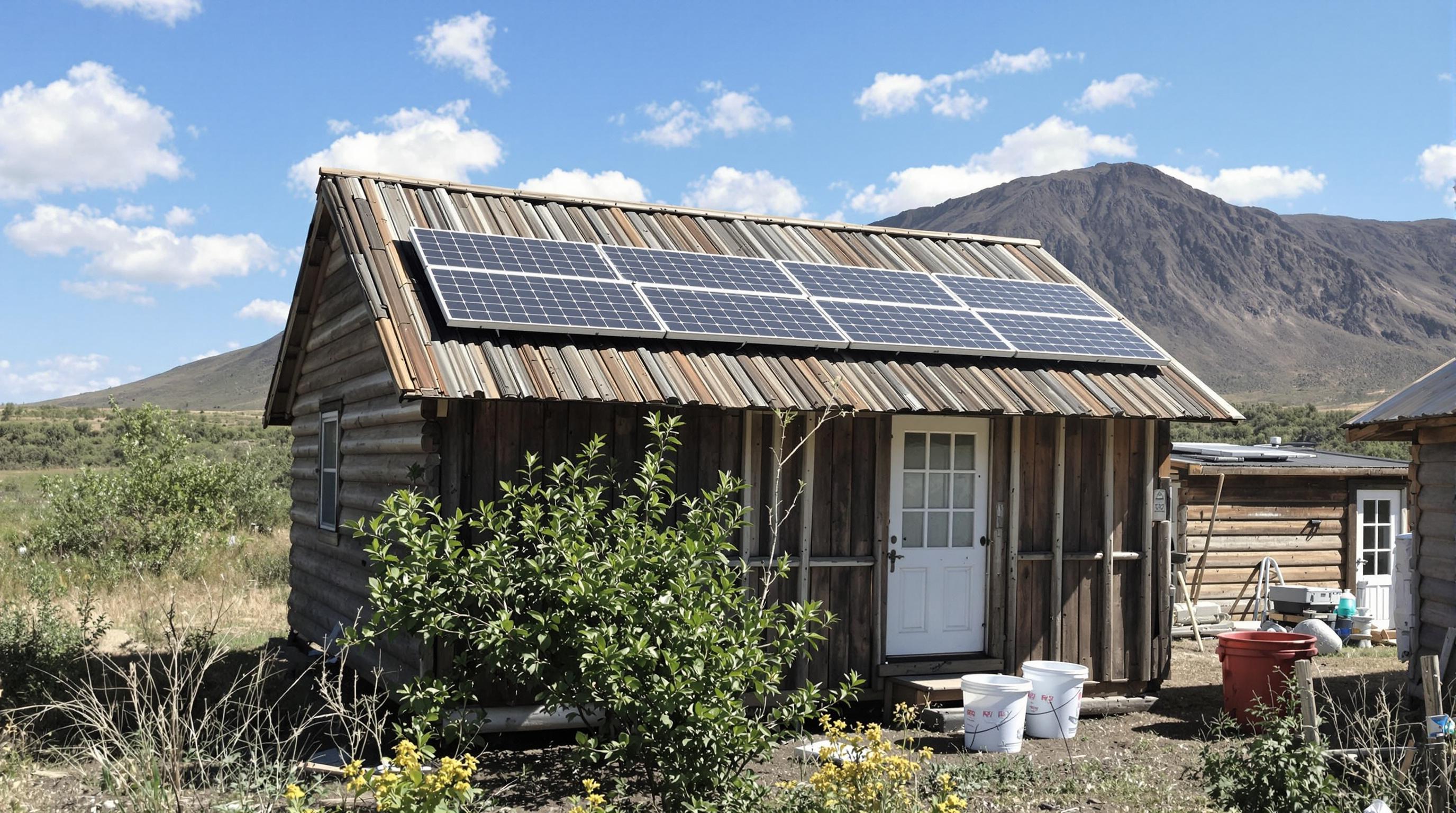
Off-grid DIY solar projects are not merely about generating electricity; they are catalysts for empowering remote communities in ways that foster resilience, sustainability, and social cohesion. This article explores varied impacts these grassroots initiatives have, through diverse tones, insights, and examples.
A Story of Light in the Darkness
Imagine a small village nestled deep in the mountain ranges of Nepal, where the night used to bring complete silence and darkness after dusk. A group of locals, with no engineering background, came together to build a solar panel system using discarded parts and online tutorials. This off-grid system not only powered their community center and school but also sparked a new wave of confidence and innovation. Children could now study after sundown, and local craftspeople extended their working hours, revitalizing the local economy.
This narrative underscores how DIY solar projects do more than illuminate homes; they brighten futures by making energy access a communal achievement.
Resilience through Self-Reliance
The essence of off-grid solar is about reducing dependency on distant and often unstable power infrastructures. In remote areas, even minor power interruptions can halt healthcare services or water purification systems, jeopardizing human lives. According to a 2022 report by the International Renewable Energy Agency (IRENA), remote communities with decentralized solar systems have experienced a 40% reduction in service interruptions compared to those relying on national grids.
This shift to local energy production fosters resilience by decentralizing power generation. It offers a model where communities can adapt and maintain critical services even during large-scale outages or natural disasters.
The Unexpected Social Ripple Effects
What’s fascinating is the social transformation these projects engender. When people collaborate on building their own solar solutions, they forge new ties and develop shared problem-solving skills. In rural Kenya, a community-driven solar initiative led to the formation of cooperatives that tackled not just energy but also water management and education access.
These initiatives often serve as community hubs for knowledge exchange and empowerment, demonstrating how practical energy solutions extend their benefits beyond lighting bulbs.
Stats That Shine Bright
Did you know? Over 789 million people worldwide still lack access to electricity (World Bank, 2023). Off-grid solar installations represent one of the fastest-growing segments of renewable energy deployment, especially in sub-Saharan Africa and Southeast Asia.
Even more compelling, the global market for DIY solar kits grew by an estimated 22% annually between 2019 and 2023 (Solar Energy Industries Association). This growth highlights not just technological advancement but also increasing community appetite for sustainable, self-managed energy.
The Learning Curve: From Novices to Solar Experts
Many participants in these projects describe an initial sense of intimidation upon confronting unfamiliar technology. Yet, the proliferation of online tutorials, maker communities, and affordable kits democratizes knowledge. For example, in parts of Latin America, youth-led programs have sprung up teaching peers how to assemble solar systems.
One 25-year-old community leader from rural Mexico articulated it well: "Building our own power source taught us more than wiring—it taught us resilience, cooperation, and hope."
Humor in the Hustle
Not everything goes as planned—there are plenty of laughs along the way. Take the case of a group in Montana who accidentally hooked up a solar panel backward during their first night and ended up “powering” a toaster with a ceiling fan. The result? Toasted wires and very confused team members—but also a story that built camaraderie and lightened the technical frustration.
Such moments are essential; they break down barriers and create a learning environment where failure is just another step toward success.
Environmentally Speaking
Shifting to DIY solar isn't just a social or economic win; it's an environmental one too. Off-grid solar systems drastically reduce the reliance on diesel generators and wood-burning stoves, which contribute heavily to carbon emissions and deforestation. According to Greenpeace, decentralized solar projects can prevent up to 500 tons of CO2 emissions per community annually.
This green footprint also enhances community well-being by improving air quality and reducing health issues linked to indoor smoke.
Policy Perspectives and Future Directions
It's intriguing how policy environments influence the spread of DIY solar innovations. Where governments embrace decentralization through supportive grants and streamlined regulations, community adoption rates skyrocket. Conversely, restrictive policies can stall progress.
Local governments in parts of India and Tanzania are pioneering incentives that enable low-income households to access solar components without upfront costs, demonstrating how policy can underpin grassroots shifts.
Conversational Chat: A Reflection
So, why should you, whether a teenager curious about sustainability or a retiree exploring new hobbies, consider these off-grid projects? Because they embody empowerment—taking matters into one’s own hands, literally and figuratively. They underscore that energy is not just a commodity but a human right and a shared responsibility.
Moreover, these projects invite us all to rethink our relationship with technology and nature, encouraging a return to simplicity and community interdependence.
Case Study: Solar Sisters Lighting Up Africa
A remarkable example is the Solar Sister initiative, which combines women’s entrepreneurship with solar energy deployment across rural Africa. Women trained as Solar Sister entrepreneurs sell solar lamps and cookstoves, increasing access to clean energy while creating economic opportunities. By 2023, they had empowered over 10,000 women entrepreneurs and impacted over 1 million people.
This project illustrates how solar DIY solutions, coupled with social enterprise, can generate multifaceted development benefits.
Conclusion: More Than Just Panels and Wires
Ultimately, off-grid DIY solar projects reveal that technology intertwined with community spirit can generate remarkable resilience. They weave energy access with empowerment, economic vitality, environmental stewardship, and cultural renewal. As more remote areas embrace these grassroots efforts, their stories illuminate pathways to a more equitable, sustainable future.
For readers, from young adult learners to elder mentors, these projects offer both inspiration and invitation: to engage, to create, and to shine light—figuratively and literally—where it is most needed.